Learn how the chemical etching process works for PCB and precision metal parts. Discover advantages, materials, applications, and modern chemical etching machines.
Chemical etching is a precision manufacturing process used to remove material from metal surfaces through controlled chemical reactions. The process is widely used in industries such as electronics, aerospace, automotive manufacturing, and precision engineering.
Chemical etching is a precision manufacturing process used to remove material from metal surfaces through controlled chemical reactions. The process is widely used in industries such as electronics, aerospace, automotive manufacturing, and precision engineering.
Also known as photo chemical etching or chemical milling, this technology allows manufacturers to produce complex metal parts with very fine details and smooth edges. Because the material is removed chemically rather than mechanically, the process does not create mechanical stress or burrs.
Chemical etching is particularly important in the production of printed circuit boards (PCB) and precision metal components.
The basic principle of chemical etching is simple. A protective layer called photoresist is applied to the metal surface. The exposed metal areas are then dissolved by a chemical solution known as an etchant.
By controlling factors such as temperature, etchant concentration, and processing time, manufacturers can remove metal in a highly precise and controlled manner.
The metal sheet must first be cleaned to remove oil, dust, and oxidation. Proper surface preparation ensures that the photoresist layer can adhere evenly to the material.
A light-sensitive coating called photoresist is applied to the metal surface. This protective layer prevents certain areas from being etched.
A photomask containing the desired design is placed over the coated metal sheet. Ultraviolet light transfers the pattern onto the photoresist layer.
The exposed photoresist is developed, leaving some areas of metal exposed while the rest remains protected.
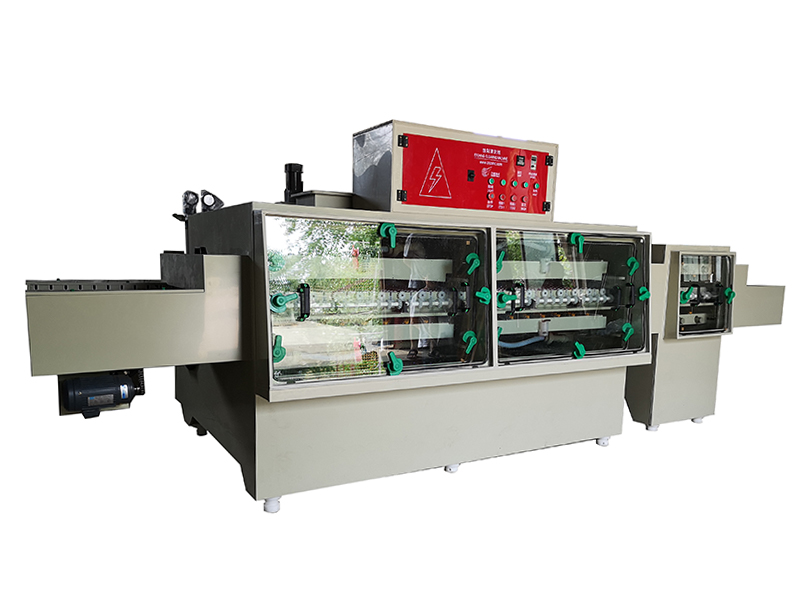
The sheet is then processed in a chemical etching machine, where an etchant solution removes the exposed metal areas.
Common etchants include ferric chloride and cupric chloride solutions depending on the metal being processed.
After the etching stage, the remaining photoresist layer is stripped away and the finished metal part is cleaned and inspected.
Chemical etching can be applied to many metal materials including:
Different metals require different etching chemicals and process parameters.
Chemical etching can produce extremely fine patterns and small features with high accuracy.
Because there is no mechanical cutting or stamping, the metal structure remains unchanged.
The process produces smooth edges that usually require little post-processing.
For thin metal sheets and complex designs, chemical etching can be more economical than stamping or laser cutting.
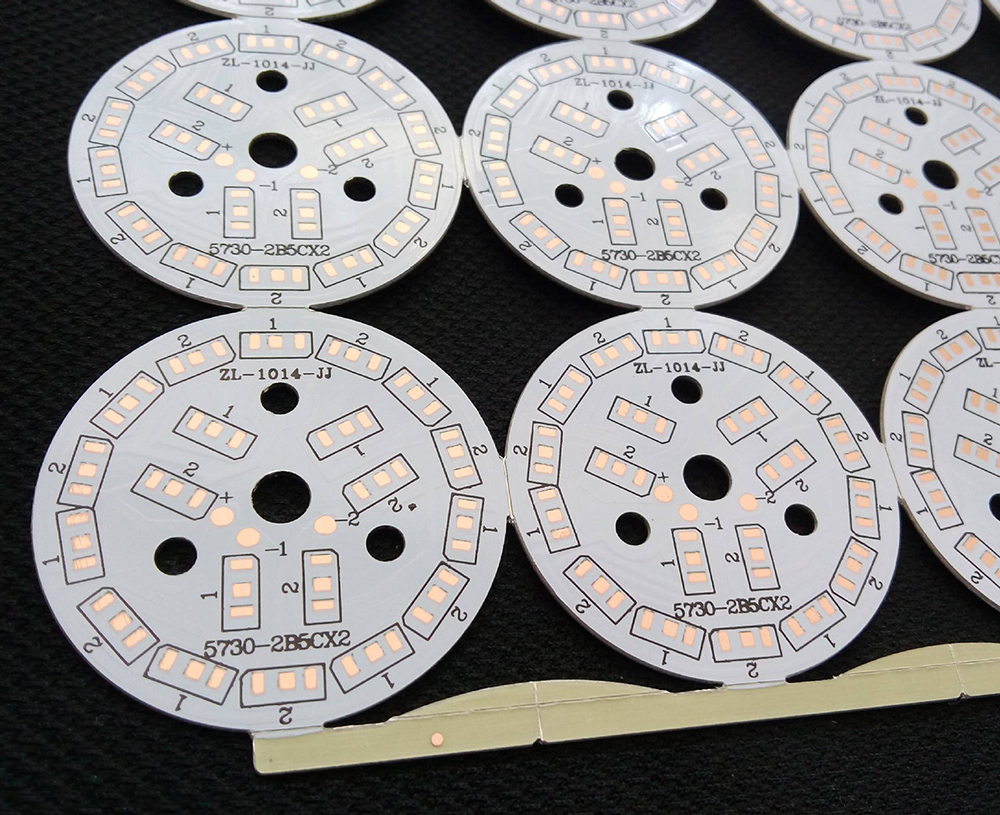
Chemical etching is widely used in PCB etching machines to remove unwanted copper from circuit boards and create conductive circuits.
Etched components are commonly used in filters, encoder disks, shielding components, and electronic connectors.

High precision etched parts are used in aircraft electronics and navigation systems.
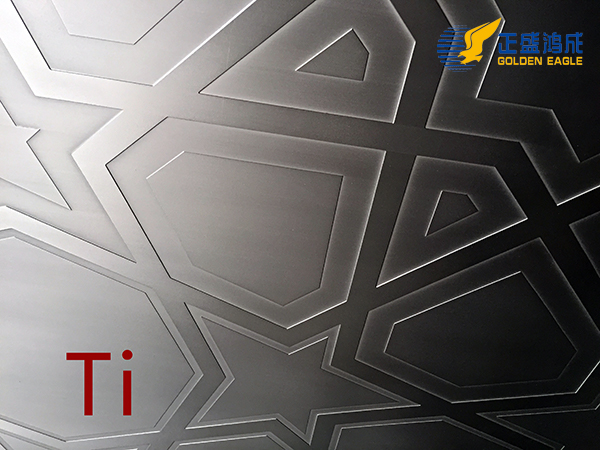
Chemical etching can also be used to create patterns on stainless steel panels, signage, and metal nameplates.

Modern manufacturing lines use automated chemical etching equipment to control spray pressure, temperature, and chemical concentration.
These machines ensure consistent etching depth, high production efficiency, and stable product quality.
Chemical etching is a highly precise and reliable manufacturing method for producing complex metal components. The process allows manufacturers to create intricate designs without mechanical stress or heat distortion.
With the development of modern chemical etching machines and automated production systems, this technology continues to play an important role in industries that require precision metal processing.
Production equipment for the chemical etching workflow described in this article: