CE Certified 24h Quotation 1-Year Warranty Worldwide Delivery
⚡ Quick Answer
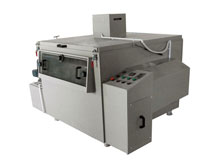
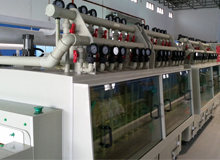
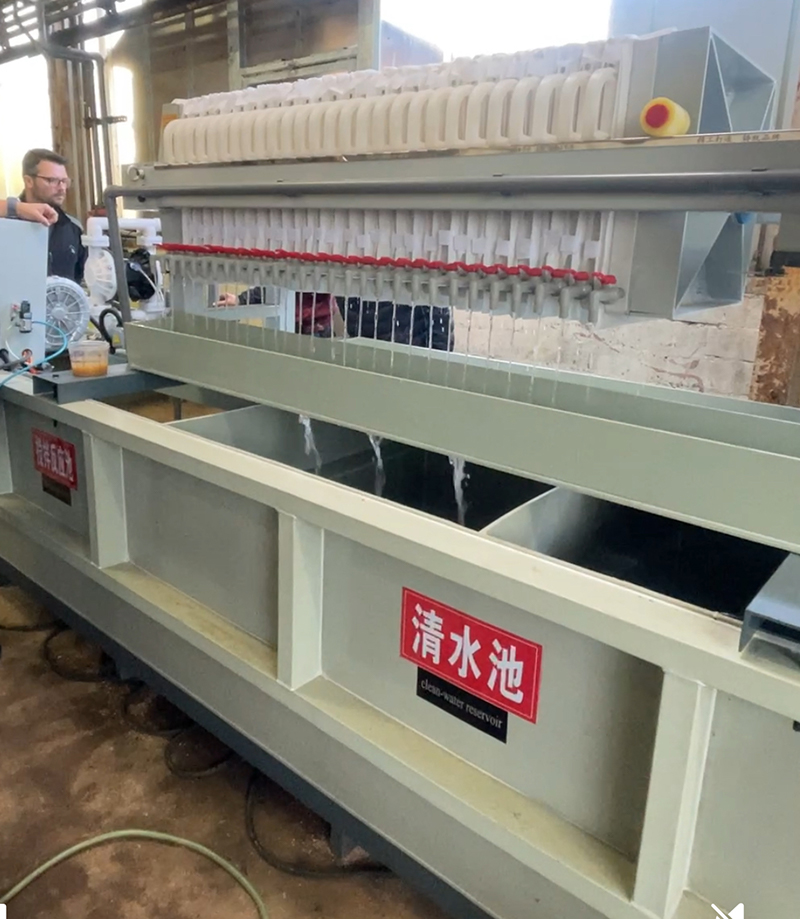
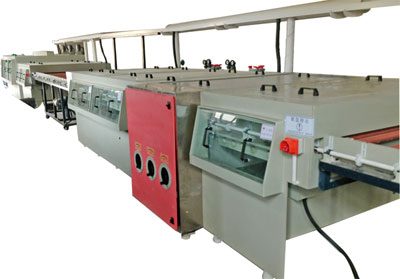
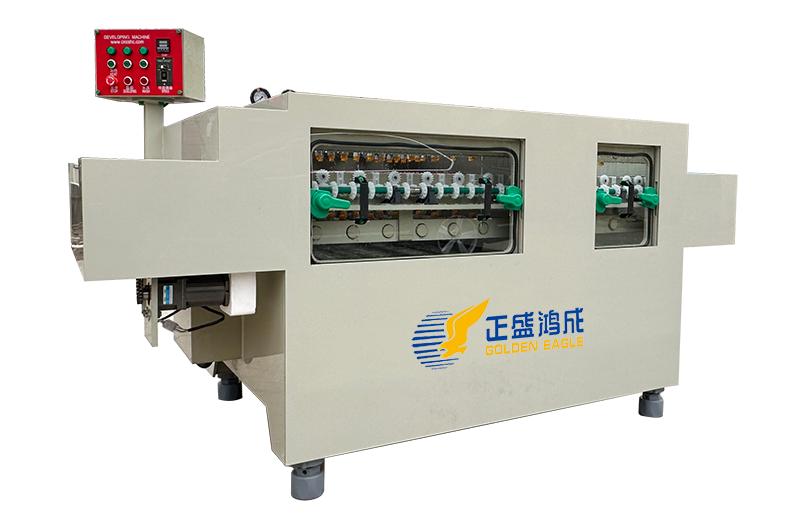
A chemical etching machine is a conveyorised industrial system that sprays etchant (typically ferric chloride FeCl₃ for copper, cupric chloride CuCl₂ for steel, or alkaline ammonia NH₄OH for tin/lead) at 30-80 °C onto a metal sheet or PCB panel masked with photoresist. It produces burr-free, stress-free parts with 25-200 μm line/space resolution at 1-8 m/min conveyor speed. Beijing Golden Eagle has manufactured PCB etching machines and metal etching equipment since 2003, shipping conveyor spray etchers (GE-JM650, GE-AE650, GE-W, GE-TS650) to 60+ countries. Typical price range: USD 5,000-200,000. View PCB etching machines →
Chemical Etching Machines for Precision Metal parts Manufacturing
Golden Eagle offers cutting-edge chemical etching equipment designed for high-quality PCB production and precision metal etching. Our etching systems deliver superior performance for a wide range of applications, from circuit board manufacturing to decorative metal etching. With features like precise spray control, uniform etching, and efficient chemical management, our machines ensure exceptional results in industrial applications.
Why Choose Our Etching Machines?
✓
High precision etching down to 50μm for intricate patterns
✓
Double-side spray technology for uniform etching
✓
Chemical regeneration systems for reduced waste
✓
Adjustable spray pressure and temperature control
✓
Robust construction for corrosive industrial environments
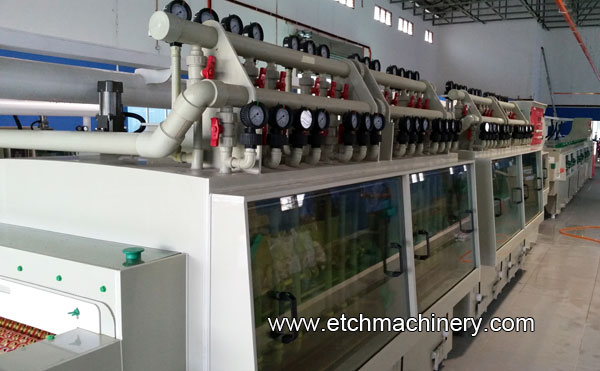
Machine process:Load → Etching1,2 → Etching3,4 → Pressure Washing → City Water Washing→ Checking →Stripping1,2 → Pressure Washing → City Water Washing → Blot Up → Cold & Hot Dry → Unload
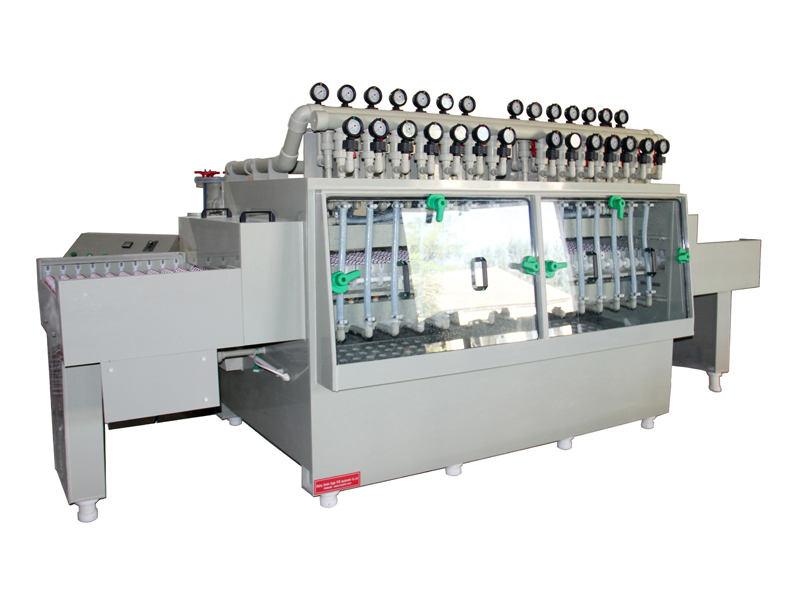
The photo chemical Etching Line for PCB for double-sided or multi layer PCB or thin copper etching uses with high precision.
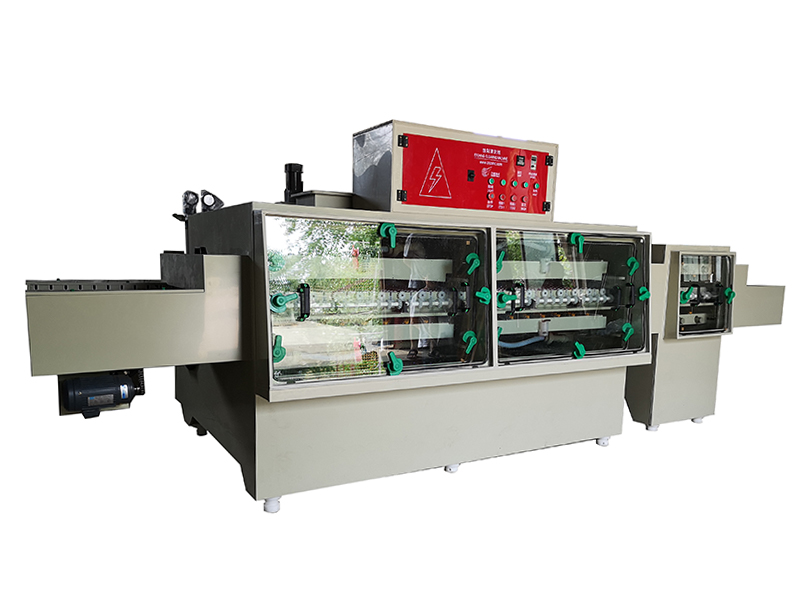
Process flow: Load → Developing → Pressure water Washing → running water washing → Blot up → cold windy drying → hot wind drying → checking → Etching1,2 → Etching3,4 → Pressure Washing → City Water Washing→ Checking →Stripping1,2 → Pressure Washing → City Water Washing → Blot Up → Cold & Hot Dry → Unload
This is an all-in-one line device with developing, etching, and stripping functions.
High precision metal etching machine for stainless steel, brass, copper, and aluminum. Perfect for chemical milling, precision filters, and industrial metal parts manufacturing.
A fume hood cabinet etching machine is a specialized piece of equipment designed for safely etching materials like metal or glass while protecting users from harmful fumes and particles. The machine is housed in a durable fume hood cabinet, typically made from corrosion-resistant materials like stainless steel or polypropylene. This cabinet helps contain harmful chemicals or dust produced during the etching process, preventing them from spreading into the work area.
This machine uses a chemical spray method to etch detailed designs onto titanium surfaces through controlled acid reactions.maily for etching titanium sheet for Mobile folding screen and
Electronic components.
Machine process:Load → Ammonia etching →Regeneration System → pressure water washing → Squeeze→ Cold & Hot Dry → Unload
Machine dimension :8000*1700*1850mm
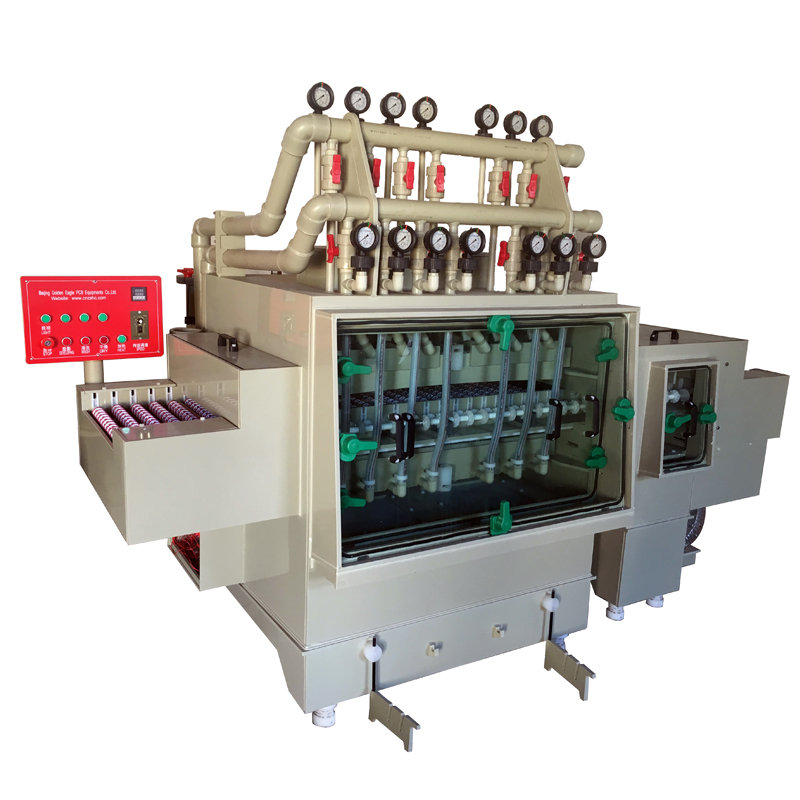
PCB alkaline etching machine for double-sided pcb machine or multi layer PCB or thin copper etching uses with high precision.This machine is chemical etching equipment use ammonia.
Control system: Temperature, Speed, Pressure, Network Filter
etching type: single side with high precision
Out size: 1850*1500*1550mm
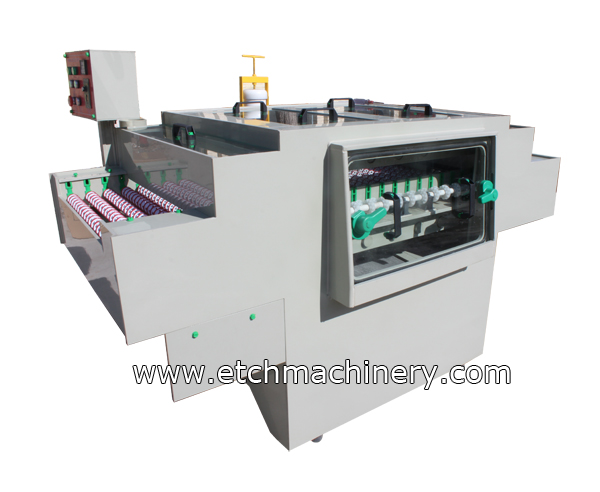
flexible Dies Etching Machine is a photoengraving machines for Steel or high-carbon steel plate mold pretreating etching to advance following engraving processing. After etching, the cutting knife-edge and knife depth is etched out. Then CNC engraving Knife sharpening.
Control system: Temperature, Speed, Pressure, Network Filter
etching material:zinc,brass,copper,magnesium
Out size: 1850*1500*1550mm
The Hot Foil Stamping Dies Etching Machine is special for stamping mold or hot stamping die. It can processing copperplate, zinc sheets, Magnesium dies,stencil-plate, printing plate and so on with high precision.
Control system: Temperature, Speed, Pressure, Network Filter
Machine dimension :3500*2300*1850mm
This Embossed stainless steel press plate Etching Machine can be used to etching Deep embossed stainless steel press plate for hpl furniture . Etching Materials can be stainless steel, copper, aluminium and so on.
Control system: Temperature, Speed, Pressure, Network Filter
Machine dimension :20500*2300*1850mm
The etching machine are designed for precision etching on large-format metal sheets up to 1000mm in width, specializing in decorative applications such as:Elevator panels,Architectural signage and artistic metalwork.Industrial-Grade Capacity: Ideal for large-scale production of decorative and functional metal components.
Control system: Temperature, Speed, Pressure, Network Filter
Machine dimension :20500*2300*1850mm
This Etching machines can be used to Etching whole size (1219*2438mm,or1500*3000mm) Decorative stainless steel sheet ,etching works for lift mirror hairline colored metal sheet.Materials can be stainless steel, copper, aluminium and so on.
Control system: Temperature, Speed, Pressure, Network Filter
Out size: 1850*1500*1550mm
This Watch case Etching machine is a photoengraving machines for etching image and letter on surface of little rotundity workpieces such as watchcase ,lighter ,disc etc. The etching material can be stainless steel ,copper ,brass ,aluminium and so on .
Etching area:650*650mm(THE SIZE CAN BE CUSTOMIZED)
Control system: Temperature, Speed, Pressure, Network Filter
Etching Pressure :1~3kg
Out size: 1650*1500*1550mm
This Vertical chemical milling Machine can be used used for photochemical milling Jewelry, crafts, filter meshes, seives, screens and grilles,which has small size and high speed.
Chemical etching is a precision manufacturing process that uses chemical solutions to remove material selectively, creating complex and highly accurate parts. This technology is essential for producing printed circuit boards (PCBs) and precision metal components across various industries.
Key Features of Modern Etching Systems:
Today's advanced chemical etching machines incorporate precision spray nozzles, temperature-controlled solutions, and efficient waste management systems. Modern equipment offers uniform material removal, minimal chemical consumption, and high throughput. The most sophisticated systems feature automated conveyor speeds, solution concentration monitoring, and integrated quality control.
Applications of Chemical Etching:
PCB Manufacturing: Creating circuit patterns on copper-clad laminates
Metal Nameplates & Signage: Producing decorative and informational plates
Industrial Filters & Screens: Manufacturing precision meshes and sieves
Stamping & Cutting Dies: Preparing tools for manufacturing processes
Medical & Aerospace Components: Creating precision parts with complex geometries
FPC etching uses rolled-annealed copper on polyimide — 25 µm line/space in production, dedicated low-tension conveyor, cupric chloride chemistry. How a sheet-fed or roll-to-roll FPC line differs from a rigid PCB line.
Lead frames are etched from C194 or C7025 copper-alloy strip at 50–100 µm line/space, ±10 µm tolerance, on 100–300 µm stock. High precision, half-etch cavities, and high yield — what a lead-frame line needs.
A roll-to-roll RFID etching line produces 10 million inlays per shift — aluminium or copper antenna on PET, 250–500 mm wide web, 1,000 m/h. Why RFID is the most demanding high-volume etching application.
A 1 m³/day PCB etching line produces 5–20 m³ of wastewater and 30–100 kg of metal sludge. Two-stage chemical precipitation, pH 8–9, hydroxide sludge — and how to meet China GB, EU REACH, US EPA limits.
An etching line facility needs 300–800 m², 200–600 kW power, 5–20 m³/day DI water, exhaust ventilation, and a dedicated wastewater plant. Site selection, three-drain system, safety zoning — and a 12–18 month build timeline.
Frequently Asked Questions — Chemical Etching Equipment
What is a chemical etching machine?
A chemical etching machine is industrial equipment that uses liquid etchants (chemicals) to selectively dissolve material from a substrate to create a precise pattern. The most common application is PCB manufacturing, where etchant removes unwanted copper from copper-clad laminates. Other applications include metal mesh production, nameplate engraving, decorative stainless steel panels, and precision photochemical milling.
How does a chemical etching machine work?
The machine sprays liquid etchant through precision nozzles onto a substrate that has been masked with photoresist. The exposed (un-masked) areas are chemically dissolved at a controlled rate. After etching, the panel is rinsed, the photoresist is stripped, and the finished part is dried. Modern machines use conveyor systems, PLC-controlled spray pressure, and automatic chemistry dosing for consistent results.
What are the main types of etching machines?
Three main types: (1) Conveyor spray etching machines — most common for industrial production, panels move through a sealed chamber while etchant is sprayed; (2) Immersion etching machines — simpler, lower cost, parts are dipped in etchant bath, used for small-batch or thick parts; (3) Spray-Immersion hybrid — combines both methods for high-uniformity work.
What is the difference between spray etching and immersion etching?
Spray etching uses high-pressure etchant spray to drive fresh chemistry into the etched area, producing faster etch rates, better sidewall control, and more uniform results. Immersion etching is simpler and cheaper, but slower and less uniform. Spray etching dominates industrial PCB production; immersion is used for some metal decorative work and small-batch prototype work.
What chemicals are used in etching machines?
For PCB: ferric chloride (FeCl3, most common), cupric chloride (CuCl2, regenerable, high-volume), alkaline ammonia (best for fine-line). For metal: ferric chloride (copper, brass, bronze), acidic peroxide (aluminum, titanium), nitric acid (stainless steel, with safety precautions), sodium hydroxide (aluminum only).
What is the capacity of an industrial etching machine?
Industrial conveyor etching machines typically process 100-300 panels per hour for PCB, or 800-3,000 m of roll-to-roll material per shift for FPC. The GE-JM650 with 650mm working width handles 1.5-3.0 m of conveyor travel per minute, equivalent to 200-400 standard PCB panels per hour.
What safety features should an etching machine have?
Industrial etching machines require: sealed chamber with negative-pressure exhaust to fume scrubber, emergency-stop buttons on both sides, etchant leak detection with automatic shutoff, low-liquid-level alarms, PLC interlocks that prevent conveyor movement if chemistry is below safe level, and CE Marking + EU Machinery Directive compliance for European sales.
What is the precision of a chemical etching machine?
Modern industrial etching machines achieve ±0.02mm line width on 50µm traces for PCB, and ±0.05mm for thicker metal parts. The main factors: etchant temperature uniformity (target ±1°C), spray pressure (target ±5%), and photoresist adhesion. Conveyor speed, chemistry concentration, and bath age also affect precision.
Related Long-Tail Pages
Explore Specific Applications
In-depth guides for the most-requested etching applications — pick yours and go straight to specifications, pricing, and process parameters.