
Etching vs laser engraving comparison for metal parts. Learn differences, cost, precision, and best applications. Find the right solution for your business.
Choosing between chemical etching and laser engraving is a common challenge for manufacturers working with metal parts, nameplates, and precision components. Both technologies offer unique advantages, but the best choice depends on your production needs.
Choosing between chemical etching and laser engraving is a common challenge for manufacturers working with metal parts, nameplates, and precision components. Both technologies offer unique advantages, but the best choice depends on your production needs.
If you are exploring metal etching machines, understanding how etching compares to laser technology can help you make a smarter investment.
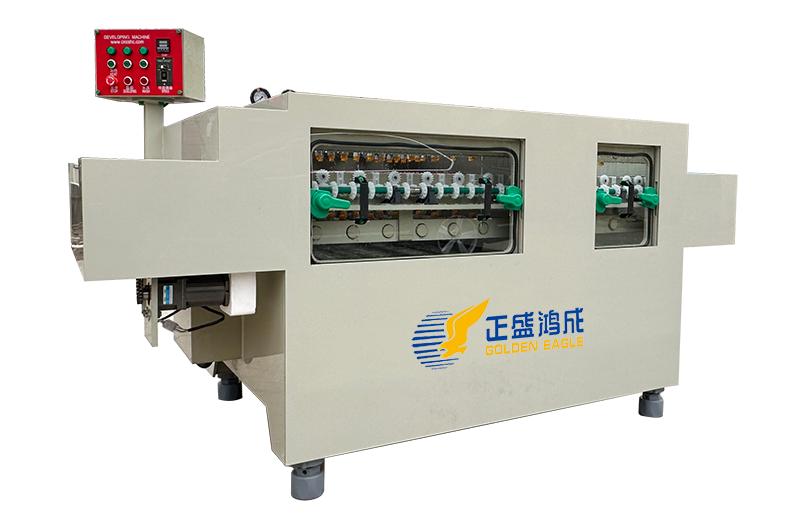
Chemical etching, also known as photo etching, is a process that removes material using controlled chemical reactions. It does not involve heat or mechanical force, making it ideal for delicate or thin materials.
Learn more about the chemical milling process and how it is used in industrial production.
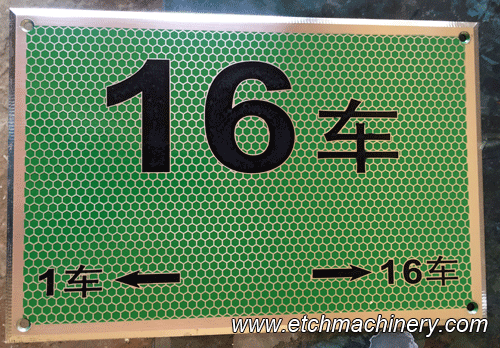
Laser engraving uses a focused beam to mark or remove material. It is widely used for logos, serial numbers, and customized designs.
| Feature | Chemical Etching | Laser Engraving |
|---|---|---|
| Precision | Extremely high | Moderate to high |
| Heat Impact | None | Heat affected zone |
| Production Volume | Best for mass production | Best for small batches |
| Cost | Lower per unit (bulk) | Higher in large scale |
| Complex Designs | Excellent | Limited for ultra-fine details |
Etching is the preferred solution when your application requires:
Explore our industrial etching machines designed for high-efficiency production.
Laser engraving is suitable when:
Both technologies have their place in modern manufacturing. Chemical etching offers unmatched precision and scalability, while laser engraving provides flexibility and speed.
In many cases, companies use both methods depending on project requirements.
Looking for a reliable etching machine manufacturer? Visit our homepage to explore complete solutions:
Or contact us directly for customized recommendations based on your application.