
Chemical milling is a metal processing method used to remove material from metal surfaces through controlled chemical reactions. It is widely used in aerospace, electronics and precision manufacturing.

Published: March 2026
Published: March 2026
Chemical milling is a metal processing method used to remove material from a metal surface through controlled chemical reactions. The process allows manufacturers to reduce thickness or create precise shapes without mechanical cutting.
Compared with traditional machining methods, chemical milling does not introduce mechanical stress or heat distortion. For this reason, it is widely used in industries that require lightweight structures and precise metal components.
The technology has been applied in aerospace manufacturing, electronics production, and precision metal fabrication for many years.
In chemical milling, certain areas of a metal surface are protected by a masking layer. The exposed metal is then dissolved using a chemical solution.
By controlling the chemical concentration, temperature and processing time, manufacturers can accurately control the depth of material removal.
Because the process removes metal chemically rather than mechanically, the material is removed uniformly across the exposed surface.
Chemical milling can be used with a variety of metals commonly found in industrial manufacturing.
Different metals require different etching solutions and processing conditions in order to achieve stable results.
Chemical milling provides several advantages compared with traditional machining methods.
These characteristics make chemical milling a practical solution for manufacturing lightweight metal components.
Chemical milling technology is widely used in modern manufacturing industries.
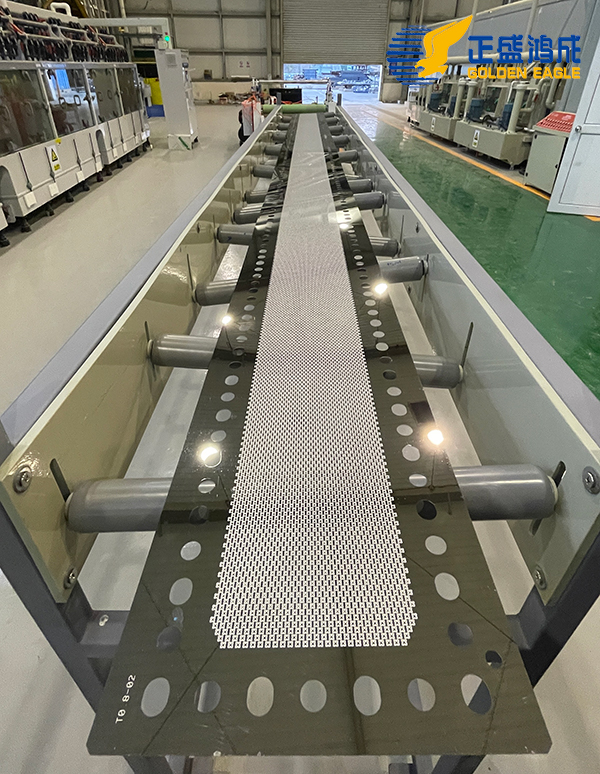
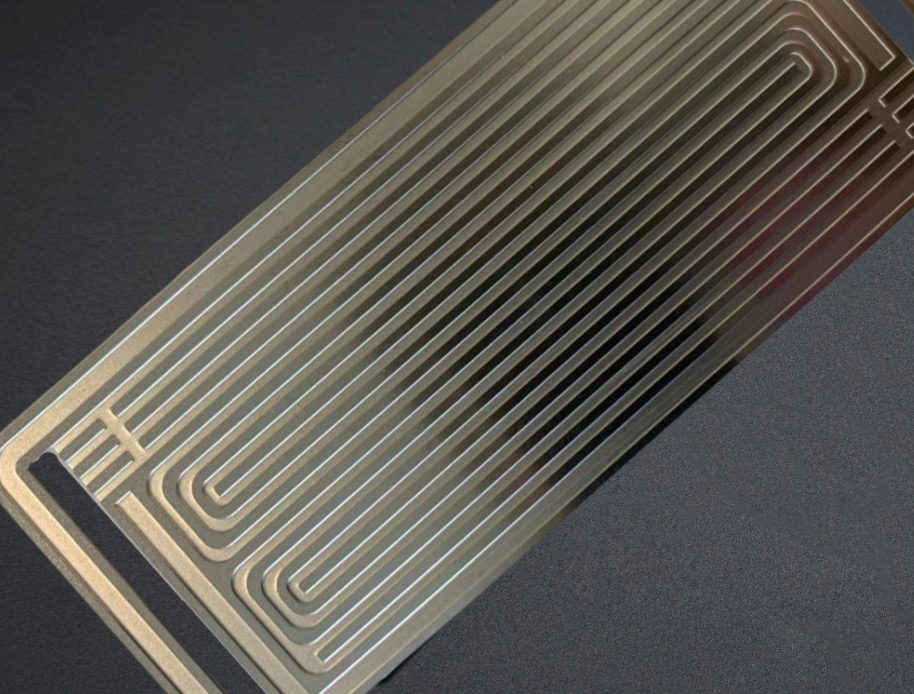
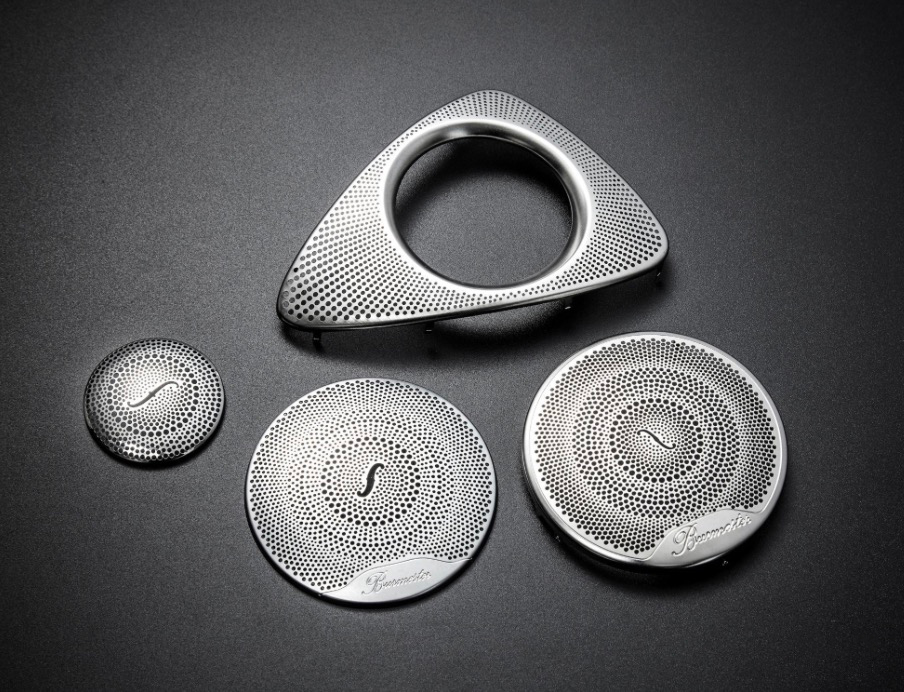
The process is particularly useful when precise material removal is required over large surfaces.
Chemical milling is a reliable method for controlled metal removal. The process allows manufacturers to produce lightweight and precise metal components without mechanical stress.
With the development of modern processing equipment and chemical control systems, chemical milling continues to play an important role in precision metal manufacturing.
For industrial production, manufacturers often use specialized chemical etching machines to ensure stable processing and consistent results.