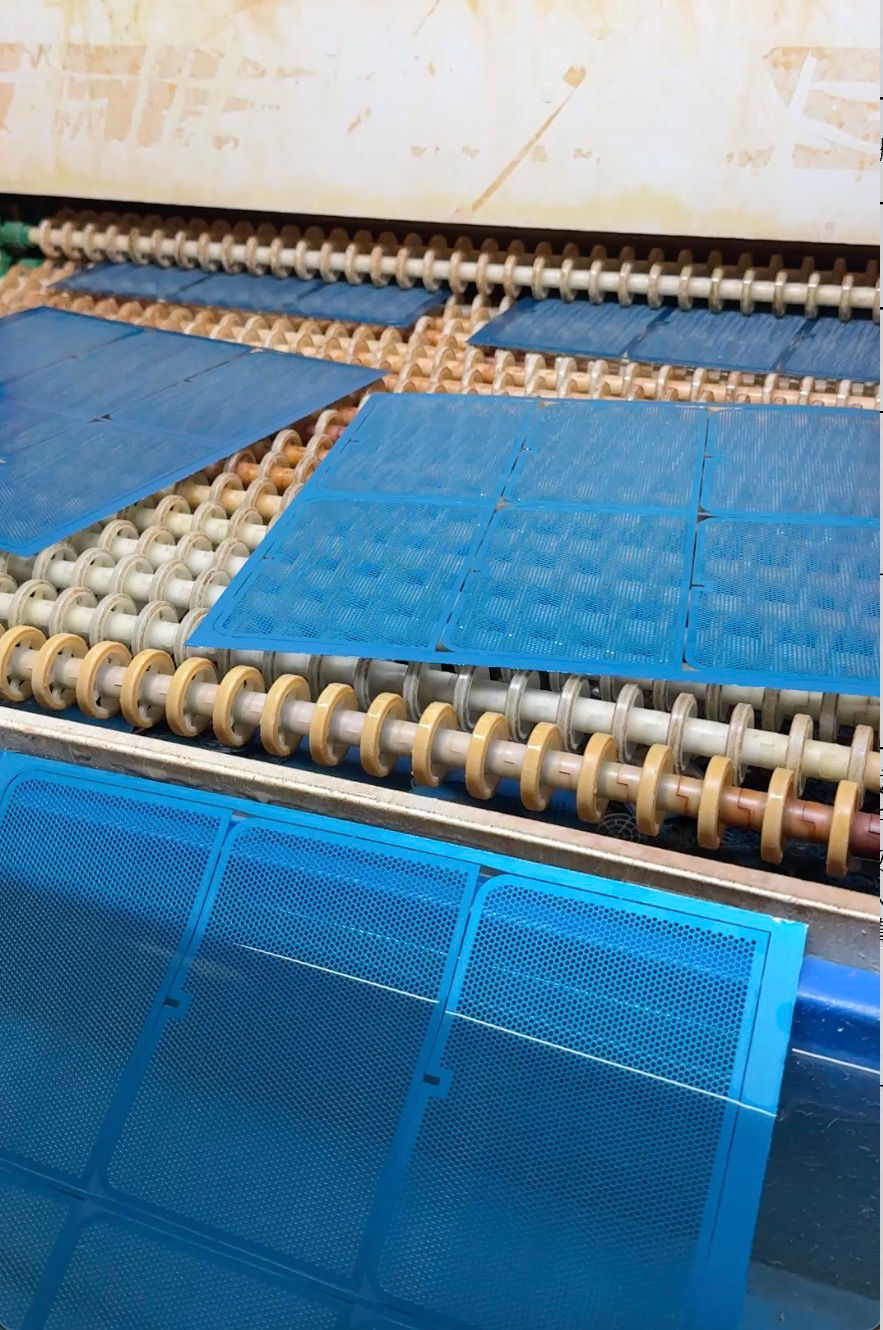
chemical etching machine
Etching Consumable

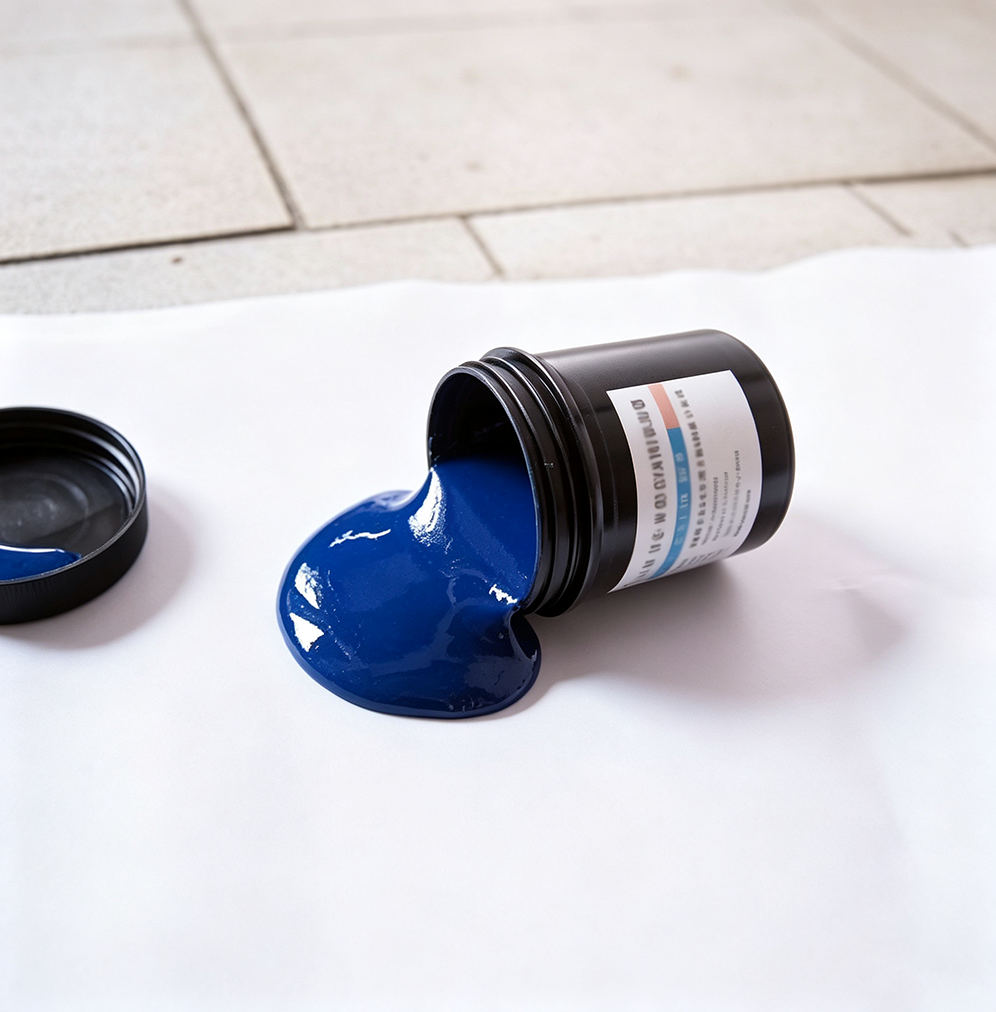
Acid-Resistant Black Etching Ink

A black, single-component acid-resistant ink designed for selective protection of metal substrates during chemical etching. No exposure step required — spray or screen-print, bake, etch, strip. The most direct route to a clean etched part when the artwork is simple and the run is large.

  • Spray or screen-print (77T–100T mesh)
  • 20–30 µm dry film thickness
  • Fast hot-air bake at 80–90 °C
  • Strong acid resistance, 100/100 tape adhesion
  • Strip in 10% NaOH at 80–90 °C, 5–8 min
  • Single-component, no mixing required
Golden Eagle acid-resistant black etching ink

What Is It?

Acid-resistant black ink is the simplest selective mask for chemical etching. The metal is cleaned, the ink is sprayed or screen-printed over the areas that should remain, the ink is baked to a hard film, and the part is run through an etching line. The unprotected metal dissolves; the protected metal stays. When the etch is finished, the ink is stripped in hot dilute NaOH.

Compared with photosensitive etch-resist ink, this product skips the exposure and development steps entirely. The trade-off is resolution: a screen-printed mask is the right choice for nameplates, signage, decorative panels and industrial templates where line/space is in the 0.2–1.0 mm range, not for fine 0.05 mm electronics work. For that, use a photosensitive ink or dry film instead.

Key Features

  • Single-component, ready to use. No mixing, no pot-life timer, no waste. Stir and use.
  • Uniform spray or screen-print film. 20–30 µm dry film, no bubbles, no pinholes, no show-through at sharp corners.
  • Fast bake. 80–90 °C for 5–10 minutes in a hot-air convection oven. Faster than most liquid photoresists and easy to fit into a production cycle.
  • Strong adhesion and acid resistance. 100/100 on 3M medium-tack tape, hardness at least H on the Mitsubishi pencil test at 700 g load. Holds up through full-strength ferric chloride, cupric chloride and nitric acid etchants.
  • Clean stripping. 10% NaOH at 80–90 °C removes the film in 5–8 minutes. In an ultrasonic tank at 90 °C, 3–5 minutes is enough.
  • Compatible with most etch chemistries. Works with ferric chloride, cupric chloride, alkaline NaOH and acid etchant blends.

Process Flow

The full sequence from substrate to finished part. Exact temperatures and times depend on the application; full details are in the operating parameters table below.

1Substrate cleaning
2Spray / screen-print
3Bake
80–90 °C
4Etch
5Strip
NaOH
6Finished part

Technical Specifications

ItemSpecification
ColorBlack
Viscosity120–150 Pa·s @ 25 °C
Fineness≤ 15 µm
Hardness≥ H (Mitsubishi pencil, 700 g)
Adhesion100 / 100 (3M medium-tack tape)
Recommended dry film20–30 µm (spray); 77T–100T mesh (screen)
Bake80–90 °C, 5–10 min
Strip10% NaOH @ 80–90 °C, 5–8 min (ultrasonic 90 °C: 3–5 min)
Shelf life~6 months sealed, < 25 °C, dark, dry

Operating Parameters — Step by Step

  1. Pre-treatment. Degrease and dewax the substrate. Any oil, fingerprint or oxide layer compromises adhesion and shows up later as film lift, ragged edges or pinholes.
  2. Thinning. Stir the ink thoroughly before use and let it stand 5–10 minutes. If dilution is required, use the ink's own thinner — typically 1 : 0.7 ink-to-thinner for spray. If a different thinner has to be used, run a small compatibility test first.
  3. Coating. Spray to a 20–30 µm dry film, or screen-print through a 77T–100T mesh. Both routes give a clean, bubble-free, pinhole-free film at the recommended thickness.
  4. Bake. 80–90 °C in a hot-air convection oven for 5–10 minutes. The film should be dry to the touch and tack-free before etching.
  5. Etch. Run on a metal etching machine with the chemistry matched to the substrate — ferric chloride for general use, cupric chloride for PCB, alkaline NaOH for aluminium.
  6. Strip. 10% NaOH at 80–90 °C for 5–8 minutes, or 10% NaOH at 90 °C in an ultrasonic tank for 3–5 minutes. The film lifts cleanly without attacking the underlying metal.

Typical Applications

  • Metal nameplates, signage and plaques
  • Decorative stainless steel and copper panels
  • Industrial templates, scales and gauges
  • Hardware keypads, labels and identification plates
  • Jewellery, fashion accessories and eyeglass components
  • Filter mesh, sieves and micro-perforated sheets

Storage and Safety

  • Storage. Sealed, in a cool dry dark place below 25 °C. Shelf life is approximately six months in the original sealed container. Do not expose to white light or sunlight for long periods during use or storage.
  • Mixing before use. Stir 3–5 minutes, then let stand about 10 minutes. The ink is designed to be used as supplied — only adjust viscosity with the recommended thinner.
  • Surface preparation. A thoroughly clean, oxide-free substrate is essential. Skipping this step is the single most common cause of film lift, ragged edges and pinholes.
  • Skin and eye contact. In case of contact, wash immediately with soap and plenty of water, and seek medical attention if irritation persists.
  • Flammability. The product is flammable. No open flames in storage or use areas.

Quality Inspection

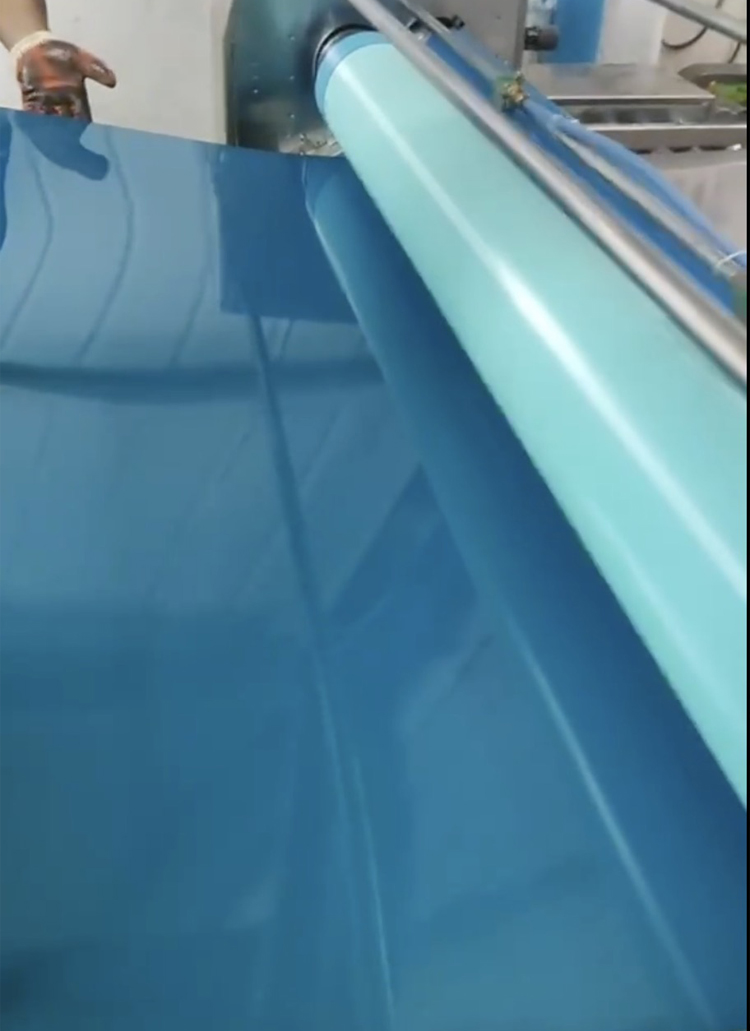
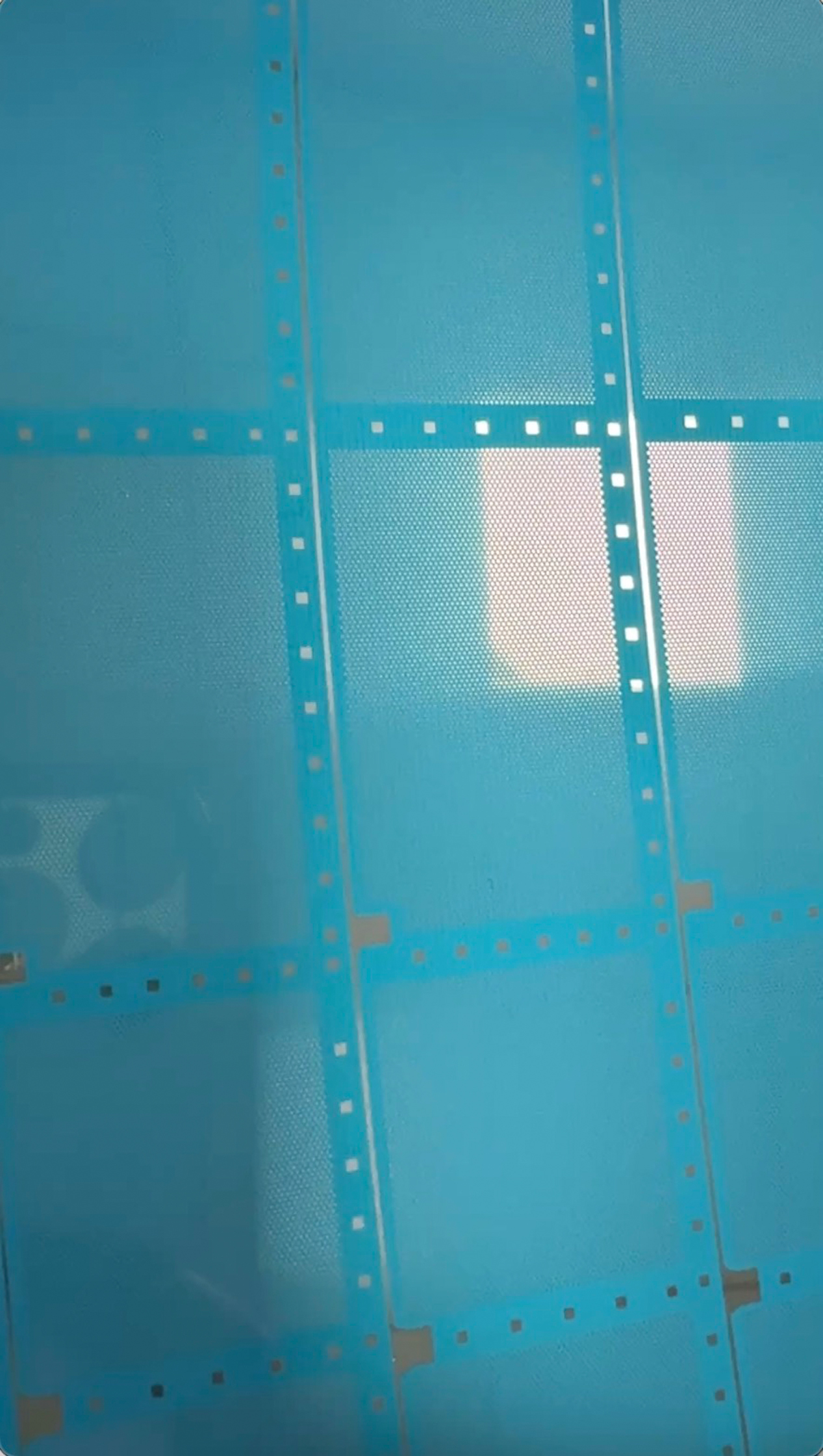
Each batch is checked on a production test panel before it ships. Below: typical adhesion, exposure and development results on PCB and metal substrates.
Need a Sample or a Quote?

Send us your substrate, panel size and process. We will send a small sample for trial and a quotation for production volumes.

Request a Sample

Frequently Asked Questions

What is the difference between acid-resistant ink and photosensitive ink?

Acid-resistant ink is a single-component mask that does not need exposure or development. Apply, bake, etch, strip. Photosensitive ink is a two-stage process — apply, bake, expose through a phototool, develop, then etch. Acid-resistant ink is faster and cheaper for simple artwork; photosensitive ink is the right choice when you need fine line/space below 0.2 mm.

What metals can this ink be used on?

Stainless steel, copper, brass, mild steel, aluminium and most other etchable metals. For aluminium specifically, an alkaline etchant (NaOH) is used instead of ferric chloride, and the strip time is the same.

What mesh count should I use for screen printing?

77T–100T polyester mesh. Use the lower end (77T) for thicker deposits and the upper end (100T) for finer detail. Always run a small test panel to confirm the dry film thickness and resolution before committing to a production batch.

Can I thin the ink with a generic thinner?

Not recommended. The ink is formulated for a specific solvent system; a generic thinner can cause phase separation, scumming or loss of resolution. If a different thinner has to be used, run a small compatibility test on a sample panel first.

How should leftover ink be stored?

Pour the unused ink back into its original container, seal tightly, and store in a cool dry dark place below 25 °C. Shelf life is approximately six months. Do not leave the container open in white light or sunlight for long periods.