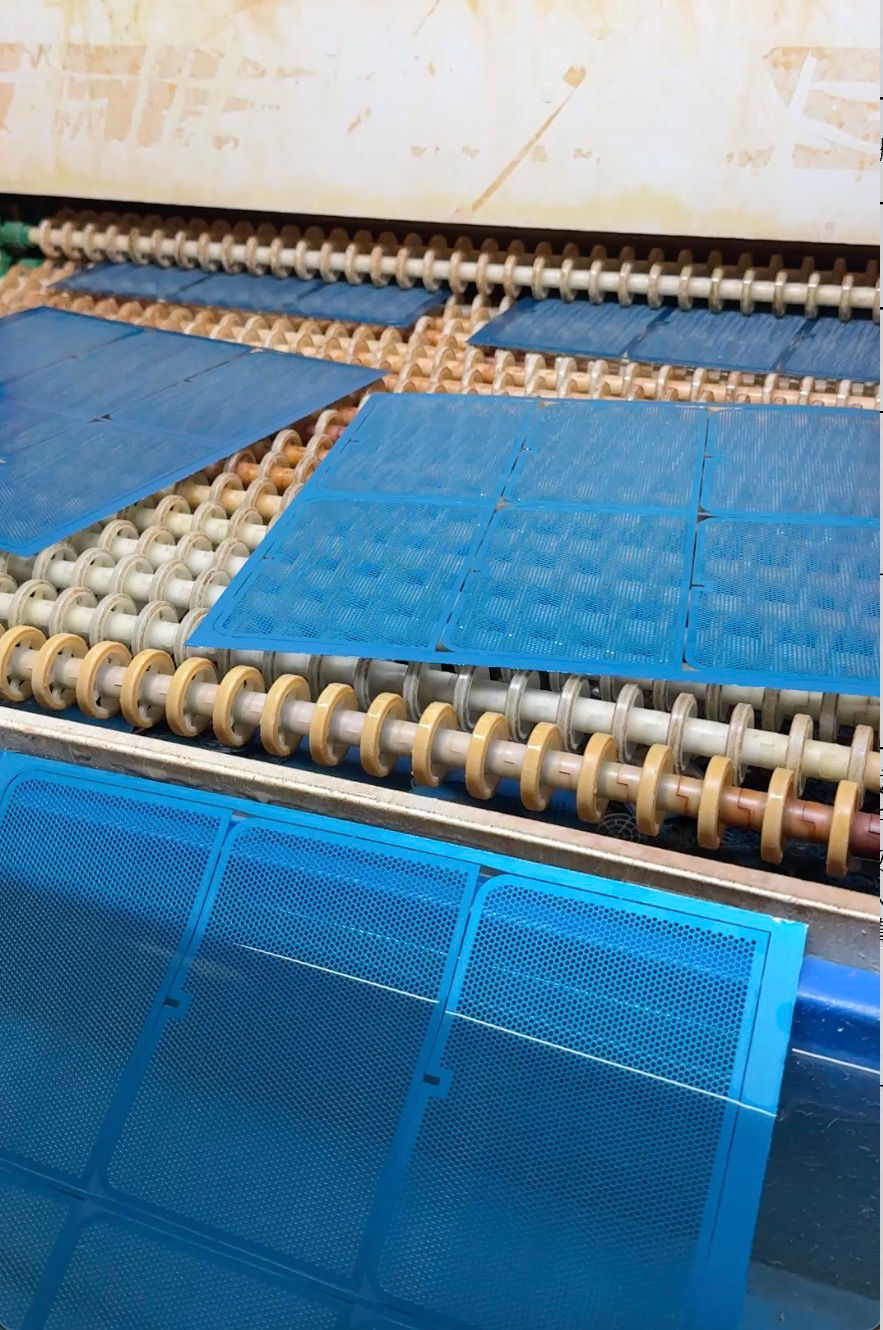
chemical etching machine
UV-Cure Etch Resist

YB-1000A UV-Curable Etch-Resist Ink

A UV-curable photo-polymerizable etch-resist ink that hardens in roughly two minutes under a medium-pressure mercury lamp. No oven bake, no waiting. Screen-print 200–420 mesh, cure, etch, strip. Works on aluminium, copper, stainless steel and glass.

  • UV cure in ~2 minutes (1200–1300 mJ/cm²)
  • 200–420 mesh screen print
  • Works on metal (FeCl3) and glass (HF)
  • Strip in 2–3% NaOH at 40–50 °C
  • Coverage up to 36 m²/kg
  • 3-year shelf life at 5–25 °C
YB-1000A UV-curable etch-resist ink for metal and glass etching

What Is It?

YB-1000A is a UV-curable etch-resist ink for selective protection of metal and glass substrates during chemical etching. Unlike a thermal-bake resist, the film is hardened by exposure to UV light — roughly two minutes under a 5–7 kW mercury lamp at 1200–1300 mJ/cm² — which means no hot oven, no long pre-bake, and a much faster line cycle.

YB-1000A is the right resist for short production runs and for jobs where thermal bake is impractical — large aluminium panels where the oven is the bottleneck, glass parts that cannot survive a hot bake, or mixed-material lines that need a single resist that works on metal and glass.

Key Features

  • UV cure, no oven. 5–7 kW mercury lamp, 8 m/min belt speed, 1200–1300 mJ/cm². Full cure in roughly two minutes.
  • 200–420 mesh screen print. Fine mesh for fine detail, coarser mesh for thicker deposits. Standard polyester mesh, no special preparation.
  • Works on metal and glass. Aluminium, copper, stainless steel, glass. Use ferric chloride for metal, hydrofluoric acid for glass.
  • Strip in 2–3% NaOH at 40–50 °C. Mild stripper conditions — lower temperature and concentration than thermal-bake resists. The cured film lifts cleanly in 1–3 minutes.
  • Coverage up to 36 m²/kg. With appropriate dilution and screen, a single kilogram covers up to 36 square metres of substrate. One of the most economical UV resists in its class.
  • 3-year shelf life. Sealed, 5–25 °C, away from strong light. Long shelf life means the ink can be ordered in bulk without waste.

Process Flow

The full sequence from substrate to finished part. Exact temperatures and times depend on the application; full details are in the operating parameters table below.

1Substrate prep
2Screen-print
200–420 mesh
3UV cure
1200–1300 mJ/cm²
4Etch
FeCl3 / HF
5Strip
2–3% NaOH
6Finished part

Technical Specifications

ItemSpecification
TypeUV-curable photo-polymerizable etch resist
SubstratesAluminium, copper, stainless steel, glass
Mesh200–420 polyester screen
UV lamp5–7 kW medium-pressure mercury, 2–3 lamps
Belt speed~8 m/min
UV dose1200–1300 mJ/cm²
Cure time~2 minutes
Etch (metal)Ferric chloride (FeCl3)
Etch (glass)Hydrofluoric acid (HF)
Strip2–3% NaOH at 40–50 °C
CoverageUp to 36 m²/kg
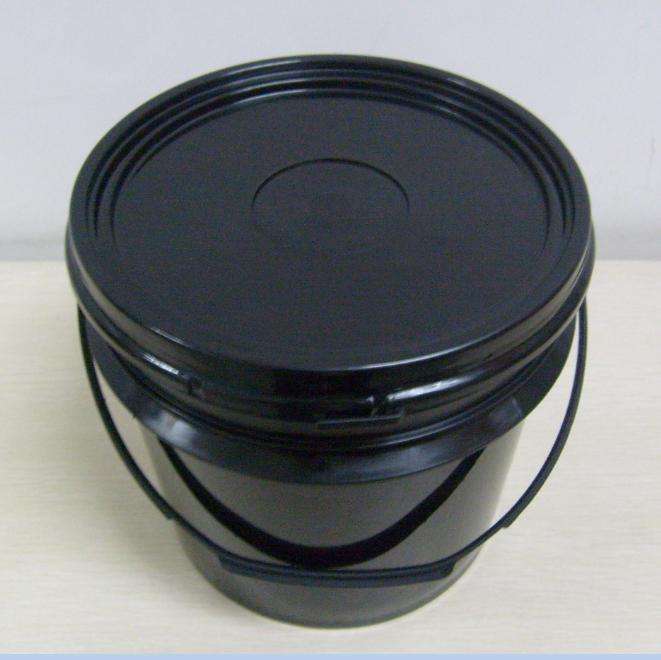
Packaging1 kg/can, 5 kg/can, 20 kg/barrel, 200 kg/barrel
Shelf life3 years @ 5–25 °C, sealed, dark
ThinnerUse the supplier's UV thinner only

Operating Parameters — Step by Step

  1. Substrate preparation. Clean and degrease the substrate. For glass, ensure the surface is dry and dust-free. For aluminium, the natural oxide layer does not need to be removed — the cured UV film bonds well to the oxide.
  2. Ink preparation. Stir thoroughly before use. Dilute with the supplier's recommended UV thinner only — a generic thinner can inhibit UV cure and leave a tacky surface.
  3. Screen printing. Use a 200–420 mesh polyester screen. Higher mesh for fine detail, lower mesh for thicker film. Print a single pass; the wet film should be glossy and fully covered.
  4. UV cure. Pass the panel under a 5–7 kW medium-pressure mercury lamp at 8 m/min. UV dose should be 1200–1300 mJ/cm². The film is fully cured when it is hard and glossy to the touch — usually after one or two passes.
  5. Etching. Metal: run on a metal etching machine with ferric chloride. Glass: use hydrofluoric acid in a fume hood with HF-rated equipment. The cured UV film holds up to both chemistries.
  6. Strip. 2–3% NaOH at 40–50 °C for 1–3 minutes. The film lifts off cleanly without attacking the substrate.

Typical Applications

  • Aluminium nameplates, signage and decorative panels
  • Copper and stainless steel industrial templates
  • Glass decorative panels, instrument dials and labware marking
  • Architectural glass etching
  • Mixed metal/glass product lines
  • Short production runs and rapid prototyping where oven bake is impractical

Storage and Safety

  • UV safety. UV lamps emit dangerous UV-C and UV-B. Operators must wear UV-blocking face shields and long-sleeved clothing. Interlocks on the lamp housing must be operational.
  • HF safety (glass etching). Hydrofluoric acid is highly toxic. Use only in a fume hood with HF-rated gloves, apron and face shield. Have calcium gluconate gel on hand for skin exposure.
  • Storage. Sealed, 5–25 °C, away from strong light. Shelf life 3 years. Avoid contact with strong acids and bases.
  • Ink preparation. Stir thoroughly before use. Dilute only with the supplier's UV thinner.
  • Ventilation. UV cure should be vented to outside air. Strip bath should be in a fume hood. Etching in a properly designed etching line with fume treatment.

Quality Inspection

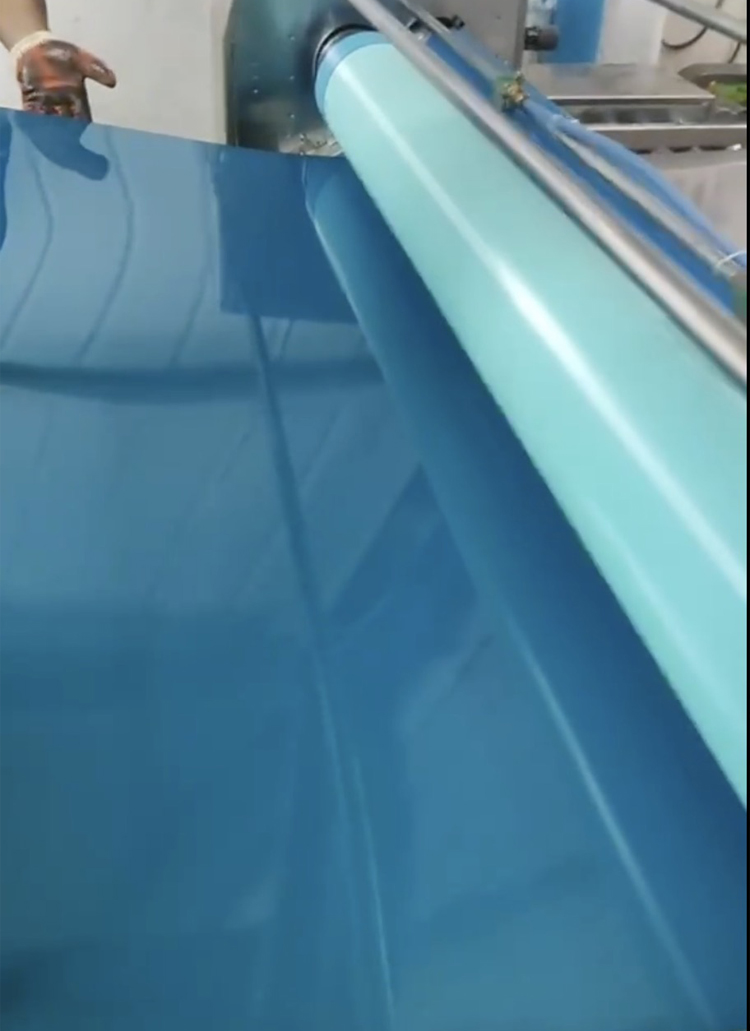
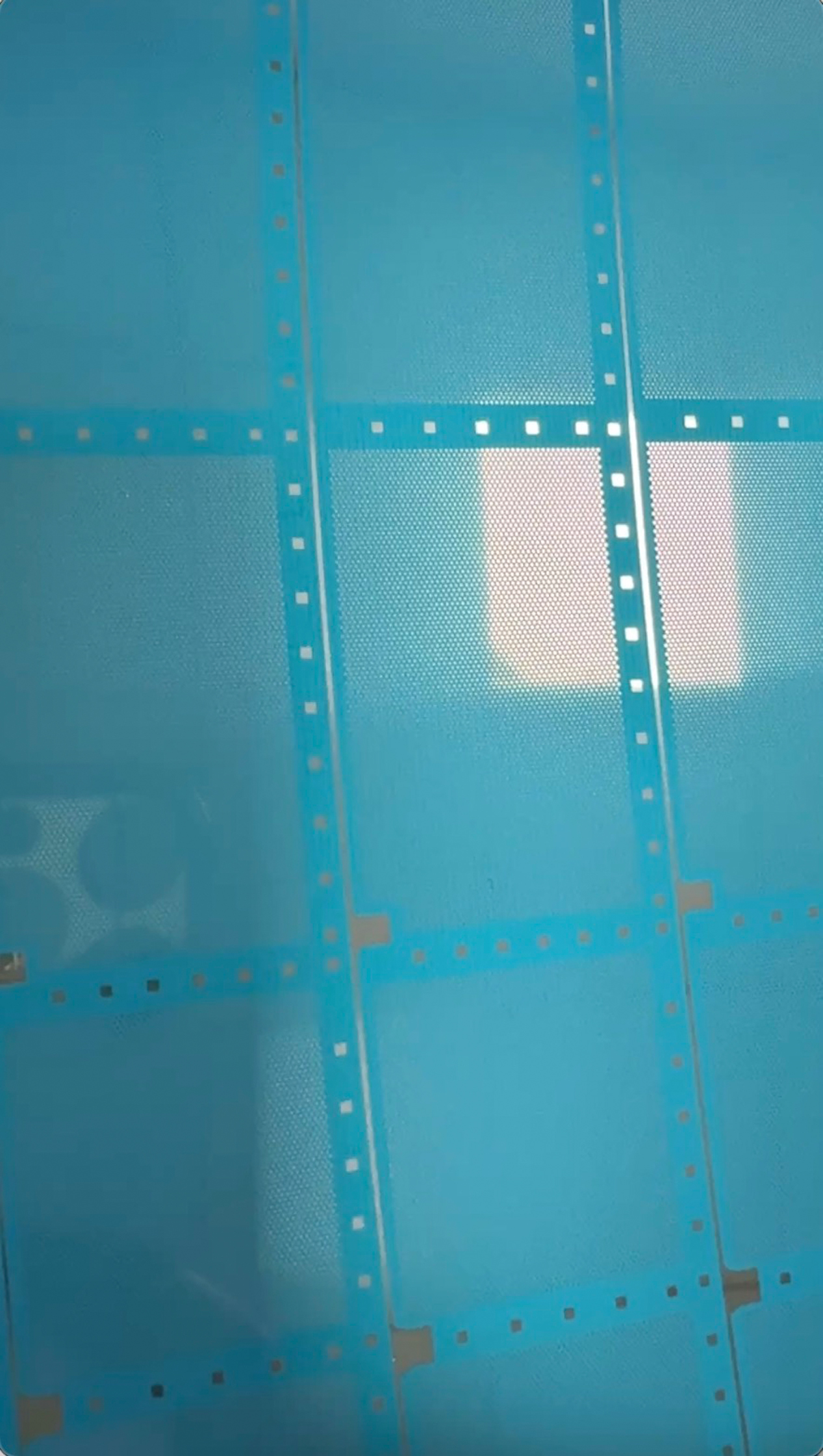
Each batch is checked on a production test panel before it ships. Below: typical adhesion, exposure and development results on PCB and metal substrates.
Need a Sample or a Quote?

Send us your substrate, panel size and process. We will send a small sample for trial and a quotation for production volumes.

Request a Sample

Frequently Asked Questions

What is the difference between YB-1000A and the thermal-bake resists?

YB-1000A cures in roughly two minutes under a UV lamp. Thermal-bake resists (photosensitive etch-resist ink, acid-resistant ink) need 5–15 minutes in a hot oven. UV cure is faster, easier to fit into a continuous line, and does not heat the substrate. The trade-off is the capital cost of a UV lamp and the safety overhead of UV-C exposure.

Can YB-1000A be used on glass?

Yes. The cured film is resistant to hydrofluoric acid at the concentrations used in glass etching. Use a UV lamp with sufficient power; thin glass substrates may need a slower belt speed to ensure full cure without thermal stress.

What mesh should I use?

200–420 mesh. The lower end (200) gives a thicker film for coarse artwork; the upper end (420) gives a thinner film for fine detail. The exact mesh depends on the dry film thickness you need and the resolution of the artwork.

What is the strip chemistry?

2–3% NaOH at 40–50 °C. The film lifts in 1–3 minutes. The stripper is much milder than for thermal-bake resists because the UV-cured film breaks down faster in dilute base.

Is YB-1000A RoHS compliant?

Yes. The standard YB-1000A is formulated to meet EU RoHS requirements. For halogen-free requirements, contact us with your specification.