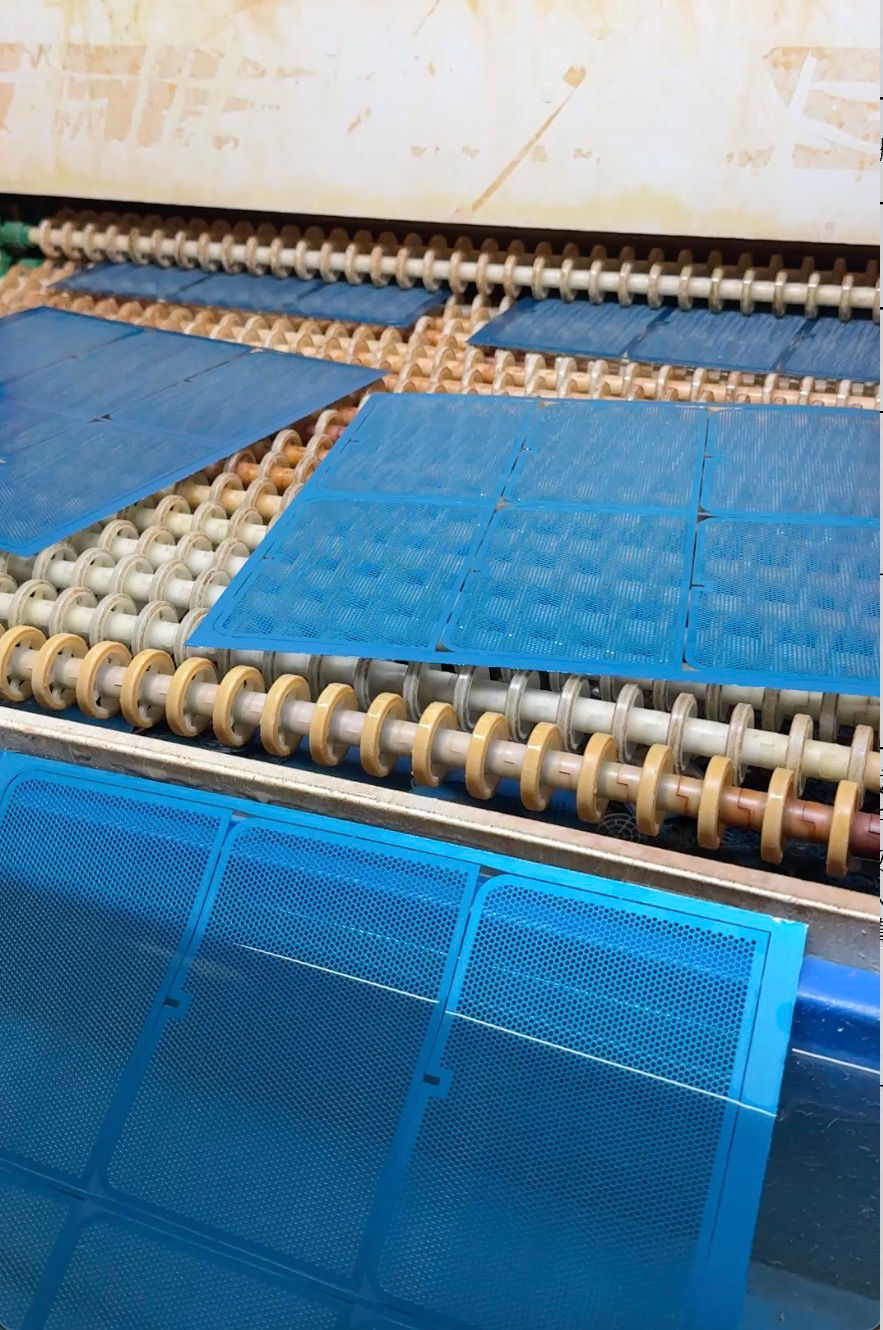
chemical etching machine
LED PCB Consumable

YB-700 Thermosetting Yellowing-Resistant LED White Ink

A two-component white solder-mask ink purpose-built for LED PCB and reflective solder-mask applications. Long pot life at room temperature, clean cure at 150 °C (oven) or 200 °C (IR belt), and the cured film stands up to 260 °C hot-air leveling and ENIG plating without yellowing.

  • Two-component: 80% base + 20% hardener
  • Pot life 8 hours after mixing
  • Surface hardness 6H, adhesion 100/100
  • Solder heat resistance 260 °C, 10 sec × 3
  • Yellowing-resistant, high reflectivity
  • Compatible with HASL, ENIG, immersion tin
YB-700 thermosetting yellowing-resistant LED white solder-resist ink

What Is It?

YB-700 is a white, two-component thermosetting solder-mask ink developed for LED PCB and white reflective solder-mask applications where high reflectivity, yellowing resistance and high temperature tolerance are required in a single film. It is supplied as a base ink and a separate hardener that are mixed 80 : 20 by weight before use.

The cured film has a 6H pencil hardness, 100/100 adhesion on 3M tape, and survives three passes of 260 °C hot-air leveling without yellowing or losing bond. It is also fully compatible with ENIG (electroless nickel / immersion gold) and immersion tin plating, so the same white mask can be used on boards that go through both processes. The high reflectivity makes it the standard choice for LED aluminium PCB and LED FR4 panels where the white solder mask is part of the optical stack.

Key Features

  • Two-component, long pot life. 80% base + 20% hardener, mixed just before use. Pot life 8 hours at room temperature — long enough for a full shift, short enough to avoid waste.
  • Thermosetting cure. 150 °C for 30 minutes in a hot-air oven, or 200 °C for 4 minutes on an IR belt conveyor. The cured film is hard, glossy and fully cross-linked.
  • 6H surface hardness. Hard enough to survive assembly, rework and in-field handling without scratching. Pencil test at 700 g load.
  • 100/100 adhesion. Passes 3M medium-tack tape cross-hatch test after full cure. No lift, no blister.
  • 260 °C solder heat resistance. Three cycles of 260 °C × 10 seconds hot-air leveling with no yellowing, no loss of bond, no loss of reflectivity.
  • Good resistance to plating chemistry. Compatible with ENIG (electroless Ni / immersion Au) and immersion tin plating. The white mask survives the plating line intact and strips cleanly afterwards if rework is needed.

Process Flow

The full sequence from substrate to finished part. Exact temperatures and times depend on the application; full details are in the operating parameters table below.

1Mix
80 : 20
2Screen-print
77T–51T
3Level
10–20 min
4Cure
150 °C / 30 min
5Finish

Technical Specifications

ItemSpecification
ColorWhite
Mixing ratio80% base + 20% hardener (by weight)
Pot life after mixing8 hours @ 25 °C
Surface hardness6H (Mitsubishi pencil)
Adhesion100 / 100 (3M medium-tack tape)
Solder heat resistance260 °C × 10 sec × 3 cycles
Volume resistivity1 × 10¹³ Ω·cm
Insulation resistance (dry)1 × 10¹³ Ω
Insulation resistance (after HASL)4 × 10¹² Ω
Dielectric constant3.2 @ 1 MHz
Dissipation factor0.02 @ 1 MHz
Recommended mesh77T–51T polyester
SqueegeePolyurethane or hard rubber, 60–70 Shore A
Viscosity260–300 PS @ 25 °C
Cure (oven)150 °C × 30 min (hot-air convection)
Cure (IR belt)200 °C × 4 min (infrared conveyor)

Operating Parameters — Step by Step

  1. Mixing. Weigh 80 parts of base ink and 20 parts of hardener into a clean container. Mix thoroughly for at least 10 minutes, scraping the sides and bottom, until the blend is completely uniform. The pot life of the mixed ink is 8 hours at room temperature — mix only what you can use in a shift.
  2. Thinning. If viscosity adjustment is needed, use YB-02 ink thinner or anti-whitespirit thinner. Use the supplier-recommended dilution only; off-the-shelf generic thinners can cause scumming or haze. After thinning, rest 10–20 minutes for air to escape before printing.
  3. Screen printing. Use a 77T–51T polyester screen and a polyurethane or hard-rubber squeegee at 60–70 Shore A. Print in a single pass; the wet film should be thick enough to give a fully covered, glossy surface after cure.
  4. Leveling. After printing, let the panel level for 10–20 minutes. This relaxes the screen pattern and lets air bubbles rise out of the film before cure.
  5. Curing. Hot-air convection oven at 150 °C for 30 minutes, or infrared belt conveyor at 200 °C for 4 minutes. Either route gives a fully cross-linked film.
  6. Inspection. The cured film should be uniformly white, glossy, and free of orange peel, pinholes or unlevel areas. Adhesion and hardness can be confirmed on a test coupon with a cross-hatch tape pull and a pencil hardness test.

Typical Applications

  • LED FR4 PCBs (single and double sided)
  • Aluminium LED PCBs
  • White reflective solder mask on lighting modules
  • COB (chip-on-board) LED substrates
  • Backlight panels and edge-lit LED strips
  • White solder mask on any PCB where high reflectivity and yellowing resistance matter

Storage and Safety

  • Storage of unmixed ink. Sealed, in a cool dry dark place below 25 °C. Shelf life of unopened base and hardener is typically 6–12 months. Do not expose to direct sunlight or extreme temperature.
  • Pot life of mixed ink. 8 hours at room temperature. Do not use mixed ink that has been sitting for longer — partial cure will cause scumming, poor adhesion and loss of heat resistance.
  • Mixing discipline. Use a clean container and stirrer. Contamination with other inks, dust or moisture will cause cratering, fisheyes or cure problems.
  • Thinner choice. Use YB-02 or the supplier-recommended thinner only. A generic thinner can cause whitening, hazing or bond failure.
  • Ventilation and PPE. Use in a well-ventilated area. Wear nitrile gloves and safety glasses. Avoid skin and eye contact; in case of contact, wash immediately with soap and water.

Quality Inspection

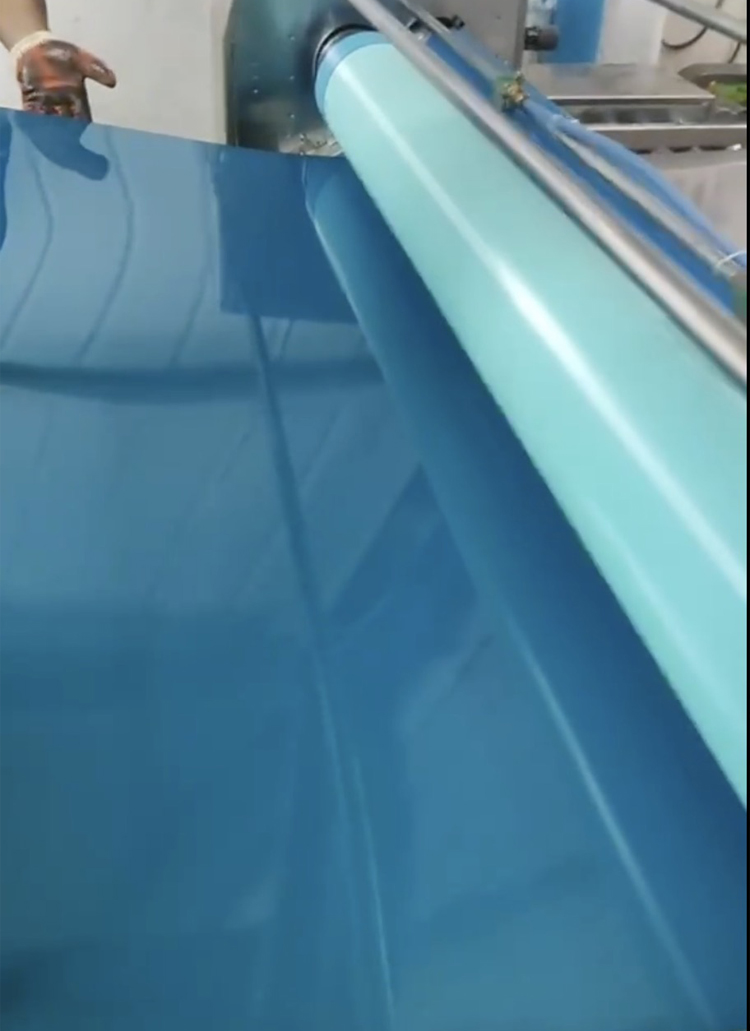
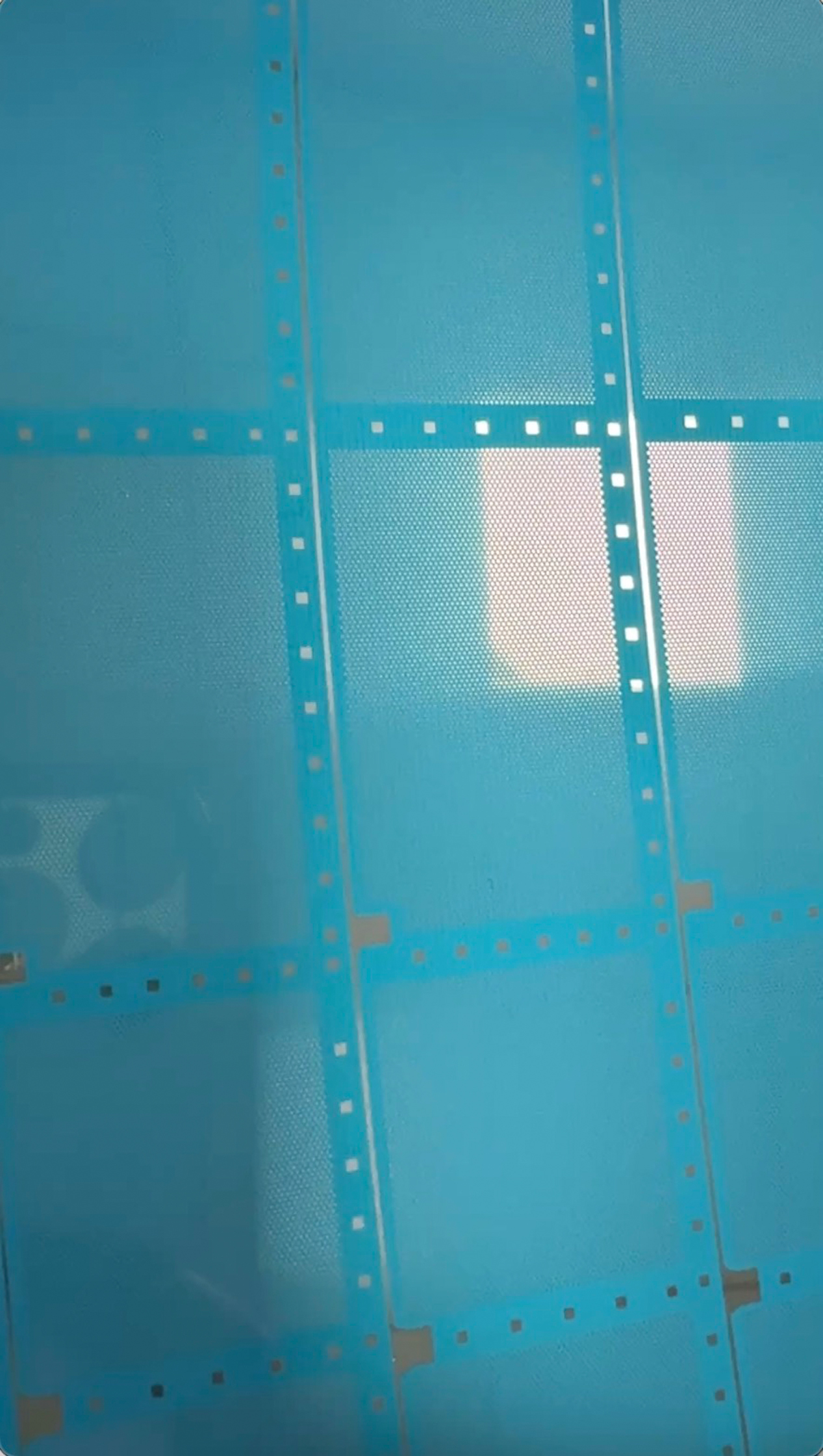
Each batch is checked on a production test panel before it ships. Below: typical adhesion, exposure and development results on PCB and metal substrates.
Need a Sample or a Quote?

Send us your substrate, panel size and process. We will send a small sample for trial and a quotation for production volumes.

Request a Sample

Frequently Asked Questions

What is the difference between YB-700 and YB-800?

YB-700 is a thermosetting white solder-mask ink — no exposure step, screen-print, oven cure, finish. YB-800 is a liquid photosensitive solder-mask ink — screen-print, pre-bake, expose, develop, post-cure, finish. YB-700 is the right choice for white LED PCB where resolution requirements are modest; YB-800 is the right choice for fine-line green solder mask on conventional PCBs.

Can YB-700 be used on aluminium LED PCB?

Yes. White solder mask is widely used on aluminium LED PCB to increase reflectivity. The high temperature of the aluminium PCB curing process is compatible with the YB-700 cure profile.

What is the pot life of the mixed ink?

8 hours at room temperature (25 °C). After 8 hours the mixed ink begins to thicken and lose its flow properties; using it after that point will cause scumming and poor adhesion. Mix only what you can use in a shift.

Can I use a generic thinner?

Not recommended. The supplier's YB-02 thinner or anti-whitespirit is formulated to evaporate at the right rate and not leave residues. A generic thinner can leave a film that interferes with cure, causes whitening, or reduces solder heat resistance.

Is YB-700 RoHS compliant?

Yes. The standard YB-700 is formulated to meet EU RoHS requirements. For halogen-free requirements, the supplier can provide a YB-700 variant — contact us with your specification.

How long does the cured film last on a real LED module?

In normal indoor LED applications, the cured YB-700 film is stable for the life of the product. In outdoor or high-UV applications, the white film may yellow slowly over years; we recommend a UV-stable top coat for those conditions.