
GE-1300 UV-curable yellowing-resistant LED white ink by Golden Eagle. 100-140T (250-350 mesh) screen print, 4H hardness, alcohol / acid / alkali / solvent resistant, 36 m²/kg coverage.
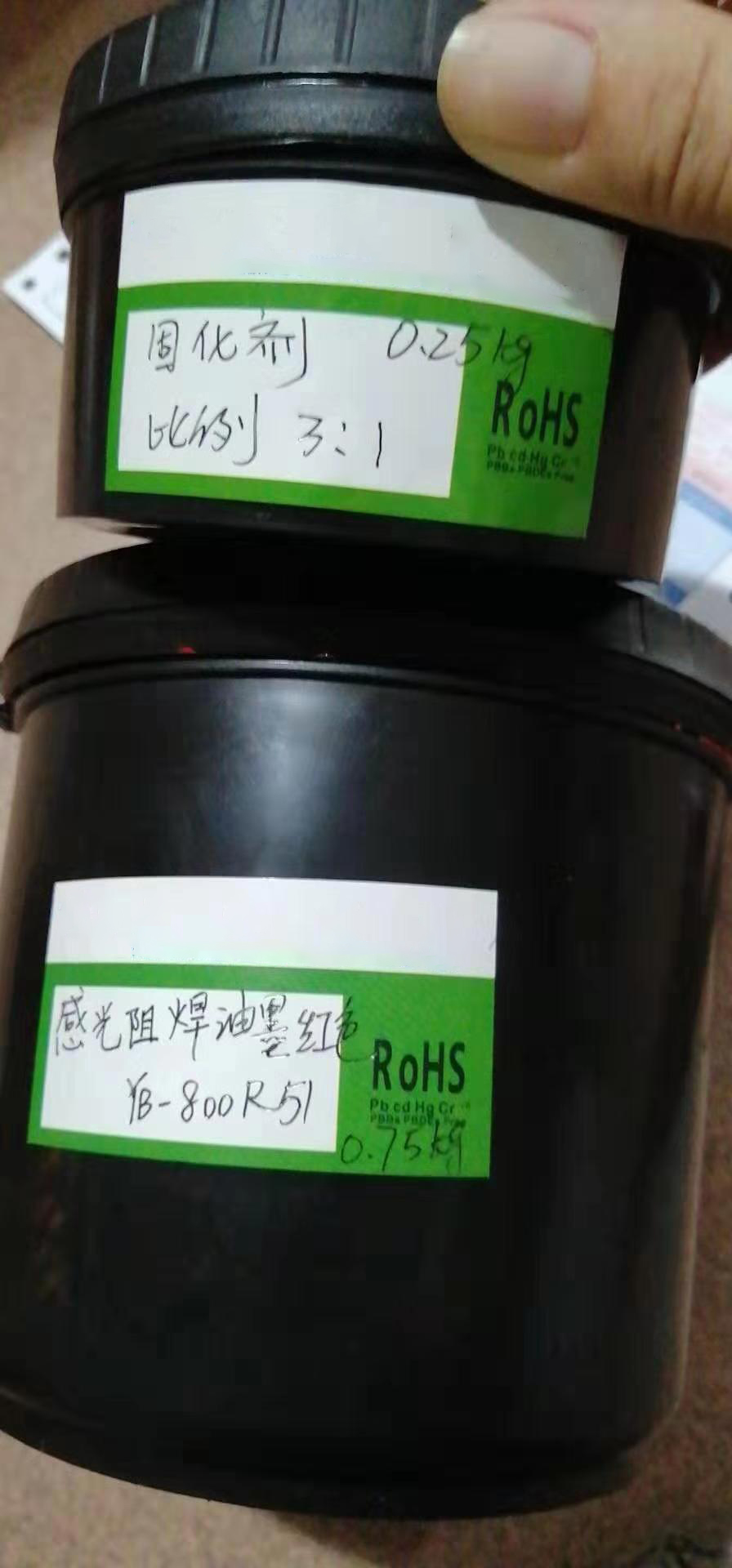
Golden Eagle's UV-curable yellowing-resistant LED white ink. Never-blocking mesh, fast UV cure, 4H hardness, 36 m²/kg coverage. The right white ink for LED PCB and reflective solder-mask applications, supplied directly by Golden Eagle.
GE-1300 is Golden Eagle's own UV-curable yellowing-resistant white ink for LED PCB and reflective solder-mask applications. Unlike a thermal-cure white ink, GE-1300 hardens in seconds under a UV lamp, which means a much shorter cycle time and no oven bottleneck on the production line.
The cured film has a 4H pencil hardness, full resistance to alcohol, acid, alkali, gasoline and solvent, and survives 50 wipes with a salt-water-soaked cotton ball at 300 g pressure. The mesh never blocks, which means consistent print quality across a long production run. The standard colour is white, but GE-1300 is also available in yellow, red, blue, black and green on request.
The full sequence from substrate to finished part. Exact temperatures and times depend on the application; full details are in the operating parameters table below.
| Item | Specification |
|---|---|
| Type | UV-curable yellowing-resistant LED white ink |
| Brand | Golden Eagle GE-1300 |
| Substrates | Copper, aluminium, iron, stainless steel, mirror stainless steel, mirror titanium, glass, anodized aluminium, galvanised iron, nickel / chrome plated, painted or powder-coated metal |
| Viscosity | 180–280 PS @ 25 °C |
| Screen | 100–140T polyester (250–350 mesh) |
| Film thickness | 12–16 µm |
| UV lamp | 2.0 kW/cm, 3–4 lamps |
| Belt speed | 2.5–3.5 m/min |
| UV dose | 1200–1800 mJ/cm² |
| Surface hardness | 4H (Mitsubishi pencil, 500 g) |
| Adhesion | 500 g force, 500+ wipes, 3M tape cross-hatch |
| Chemical resistance | Alcohol, acid, alkali, gasoline, solvent |
| Salt water resistance | 50 wipes at 300 g pressure |
| Colours | White (standard), yellow, red, blue, black, green |
| Coverage | Up to 36 m²/kg |
| Packaging | 5 kg/can, 20 kg/barrel |
| Shelf life | 1 year @ sealed, dry storage |
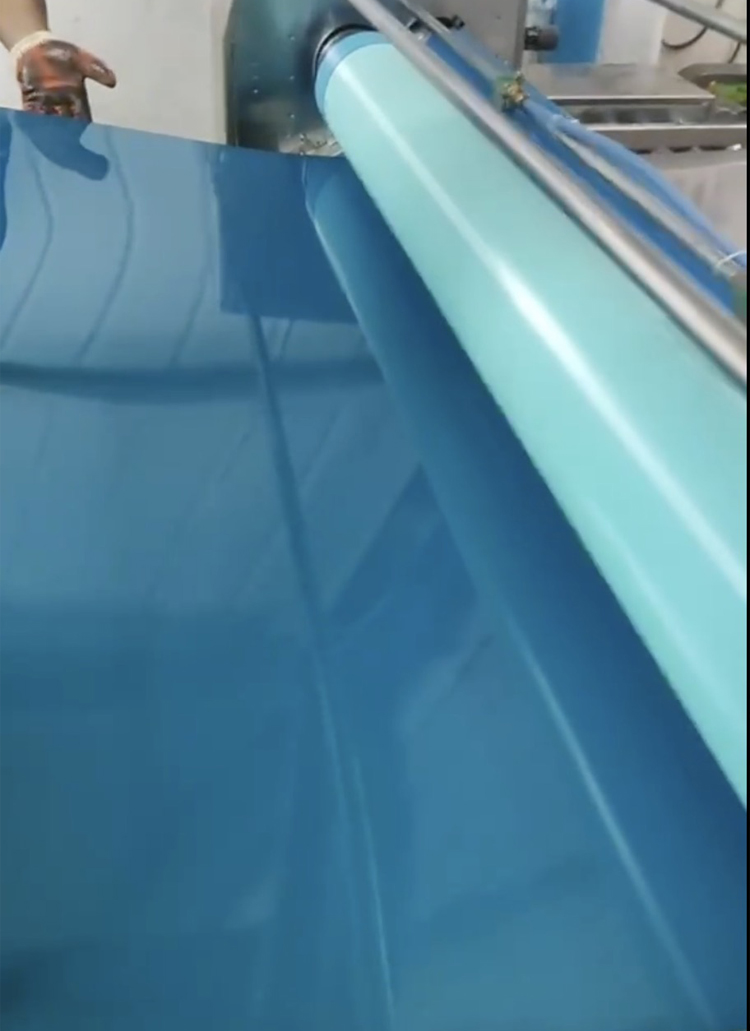
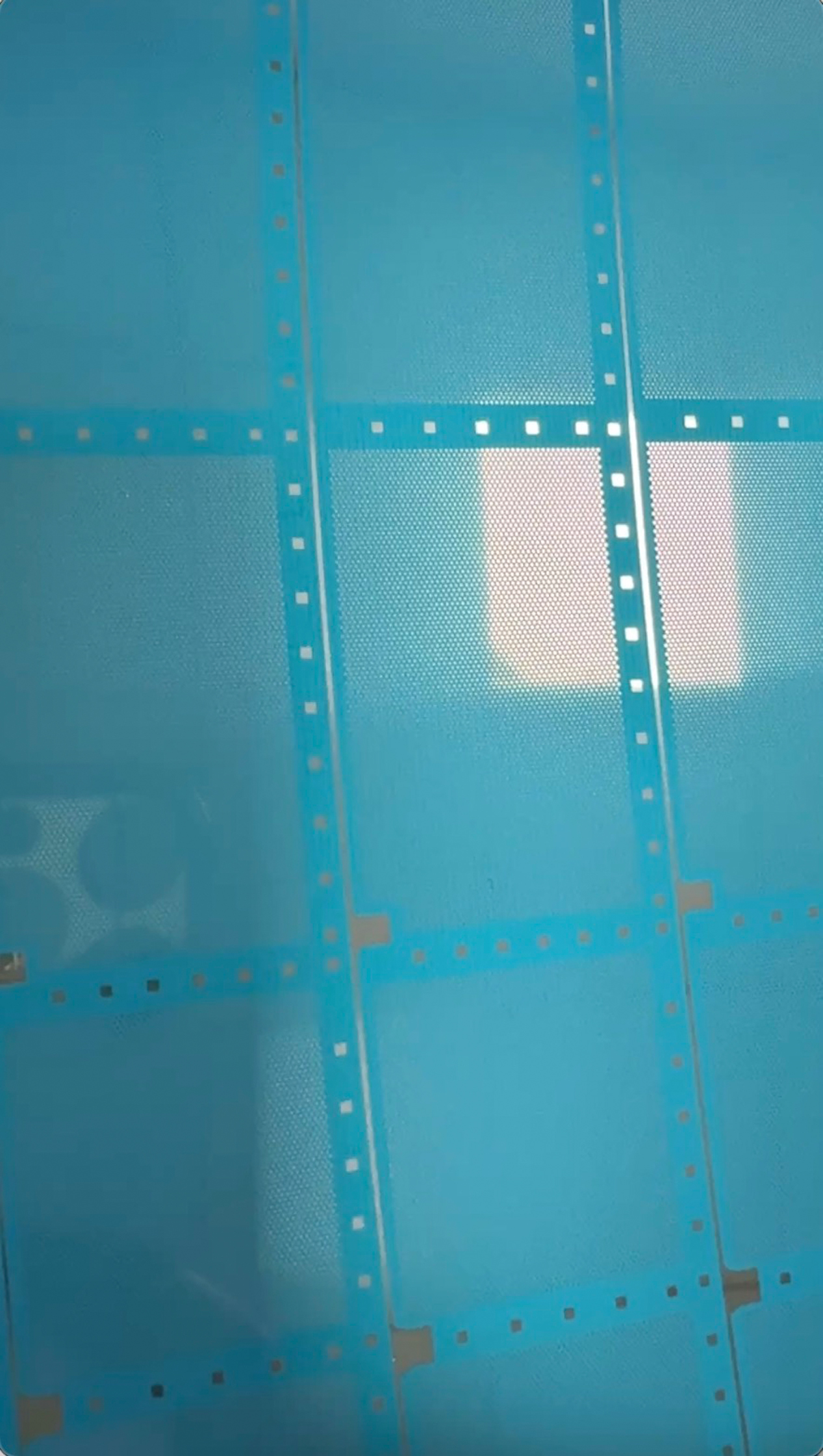
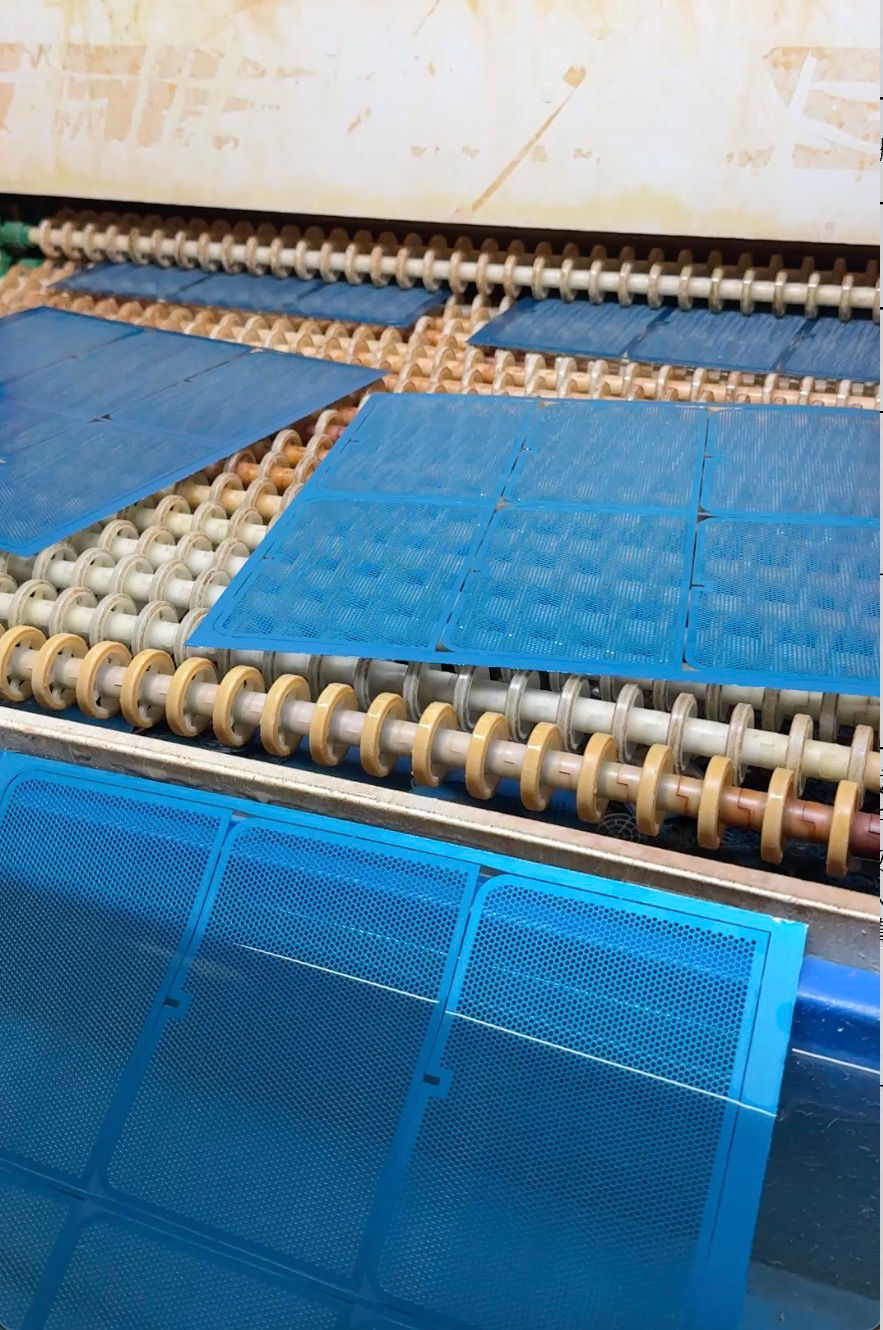
Each batch is checked on a production test panel before it ships. Below: typical adhesion, exposure and development results on PCB and metal substrates.
Send us your substrate, panel size and process. We will send a small sample for trial and a quotation for production volumes.
GE-1300 and YB-1300 are the same Golden Eagle product line. GE-1300 is the standard Golden Eagle brand; YB-1300 is sold under the original YB label. Both are UV-curable yellowing-resistant LED white inks with 4H hardness, 100-140T mesh, 36 m²/kg coverage, and both ship from Golden Eagle with direct technical support.
Copper, aluminium, iron, stainless steel, mirror stainless steel, mirror titanium, glass, anodized porous aluminium, galvanised iron, nickel or chrome plated metal, and metal sheets that have been spray-painted or powder-coated. It does not bond well to untreated polyolefin plastics.
12–16 µm. The lower end (12 µm) is fine for fine detail; the upper end (16 µm) gives higher reflectivity and better coverage of the substrate. Use the higher end for maximum white reflectivity.
Yes. The standard GE-1300 is formulated to meet EU RoHS requirements. For halogen-free requirements, contact us with your specification.
Buying from Golden Eagle means the ink is validated on the same equipment you are using, batch-to-batch consistency is checked on a Golden Eagle pilot line, and the technical support comes from the same company that built your line. It is the lowest-risk supply option for an LED PCB line.