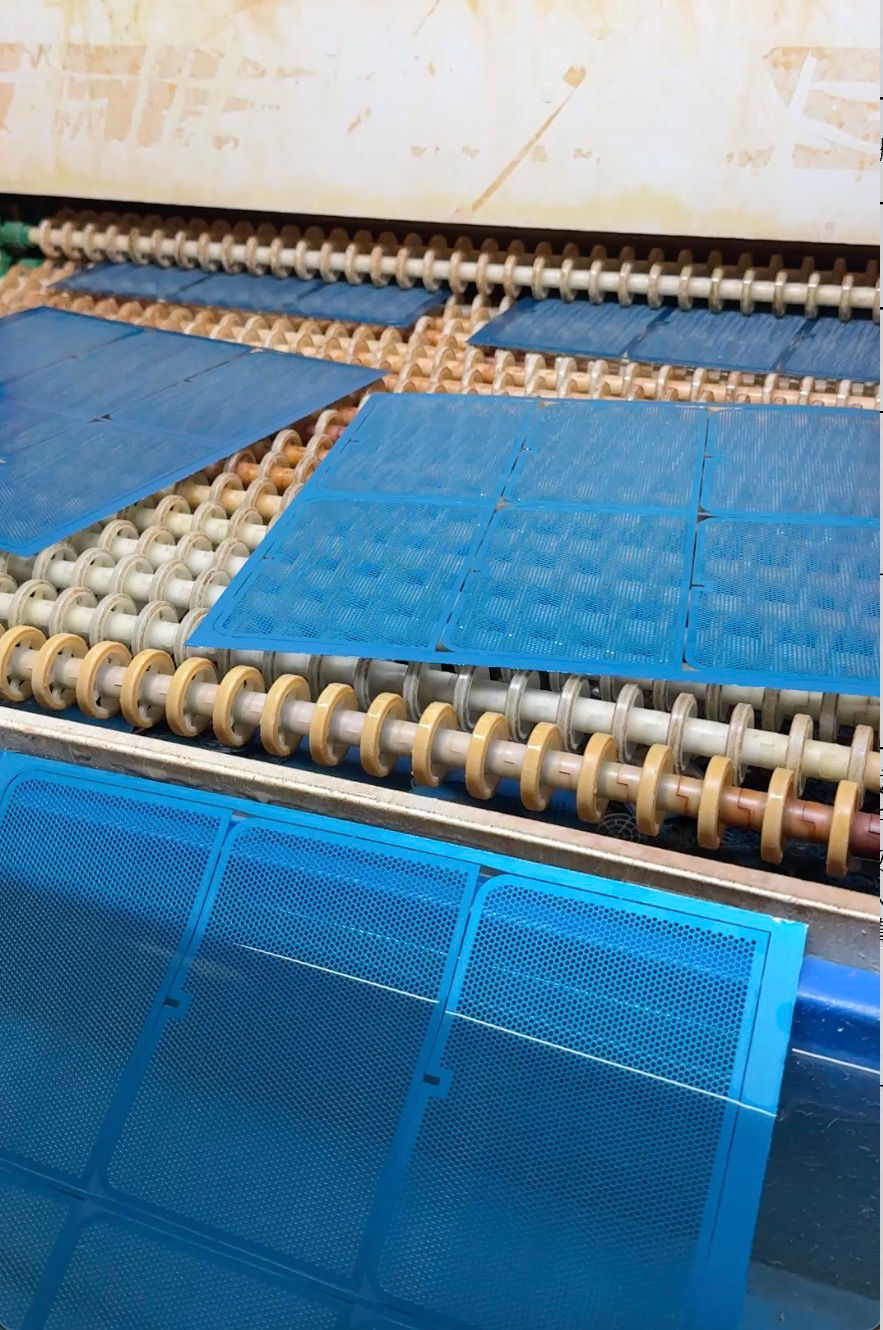
chemical etching machine
UV-Cure LED Ink

YB-1300 UV-Curable Yellowing-Resistant LED White Ink

A UV-curable yellowing-resistant white ink for LED PCB and reflective solder-mask. Never-blocking mesh, fast UV cure, 4H hardness, 36 m²/kg coverage. Same chemistry and same spec as the GE-1300 brand, sold under the YB-1300 label.

  • UV cure, never-blocking mesh
  • 100–140T (250–350 mesh) screen print
  • 4H surface hardness
  • Alcohol / acid / alkali / solvent resistant
  • Coverage up to 36 m²/kg
  • White / yellow / red / blue / black / green
YB-1300 UV-curable yellowing-resistant LED white ink

What Is It?

YB-1300 is Golden Eagle's UV-curable yellowing-resistant white ink for LED PCB and reflective solder-mask applications. It is the same formulation as the GE-1300 brand, sold under the YB label. The two products have identical technical specifications — only the SKU name differs.

Use YB-1300 when you want a UV-curable white ink with never-blocking mesh, 4H hardness, full chemical resistance, and high reflectivity. The cured film is 12–16 µm thick, the screen never blocks during a long print run, and the standard white colour holds its reflectivity over the life of an LED module.

Key Features

  • UV cure, never-blocking mesh. 2.0 kW/cm lamp, 3–4 lamps, 2.5–3.5 m/min belt speed, 1200–1800 mJ/cm². The film hardens in one pass; the mesh does not block during a long print run.
  • 100–140T (250–350 mesh) screen print. Fine mesh for fine detail. The cured film is 12–16 µm thick, which gives high resolution without losing the white reflectivity.
  • 4H pencil hardness. Hard enough to survive assembly, rework and in-field handling. Pencil test at 500 g force, 500+ wipes with no loss of adhesion.
  • Full chemical resistance. Alcohol, acid, alkali, gasoline, solvent. 500 g force, 500+ wipes. 3M tape cross-hatch: no lift. Salt water resistance: 50 wipes at 300 g pressure.
  • Coverage up to 36 m²/kg. With appropriate dilution and screen equipment, a single kilogram covers up to 36 square metres. One of the most economical white inks in its class.
  • Multiple colours on request. White is standard. Yellow, red, blue, black and green are available for non-white solder-mask or decorative applications.

Process Flow

The full sequence from substrate to finished part. Exact temperatures and times depend on the application; full details are in the operating parameters table below.

1Substrate prep
2Screen-print
100–140T
3UV cure
2.0 kW/cm
4Quality check
5Finished part

Technical Specifications

ItemSpecification
TypeUV-curable yellowing-resistant LED white ink
SubstratesCopper, aluminium, iron, stainless steel, mirror stainless steel, mirror titanium, glass, anodized aluminium, galvanised iron, nickel / chrome plated, painted or powder-coated metal
Viscosity180–280 PS @ 25 °C
Screen100–140T polyester (250–350 mesh)
Film thickness12–16 µm
UV lamp2.0 kW/cm, 3–4 lamps
Belt speed2.5–3.5 m/min
UV dose1200–1800 mJ/cm²
Surface hardness4H (Mitsubishi pencil, 500 g)
Adhesion500 g force, 500+ wipes, 3M tape cross-hatch
Chemical resistanceAlcohol, acid, alkali, gasoline, solvent
Salt water resistance50 wipes at 300 g pressure
ColoursWhite (standard), yellow, red, blue, black, green
CoverageUp to 36 m²/kg
Packaging5 kg/can, 20 kg/barrel
Shelf life1 year @ sealed, dry storage

Operating Parameters — Step by Step

  1. Substrate preparation. Clean and degrease the substrate. YB-1300 bonds well to bare, plated, painted and powder-coated metal as well as to glass. Ensure the surface is dry and dust-free before printing.
  2. Ink preparation. Stir thoroughly before use. Dilute with the supplier's recommended UV thinner only.
  3. Screen printing. Use a 100–140T (250–350 mesh) polyester screen. Print a single wet pass; the cured film will be 12–16 µm thick.
  4. UV cure. Pass the panel under a 2.0 kW/cm medium-pressure mercury lamp (3–4 lamps) at 2.5–3.5 m/min. UV dose 1200–1800 mJ/cm².
  5. Quality check. Check adhesion with 3M tape cross-hatch. Check hardness with a 4H pencil. Check chemical resistance with a 500 g wipe test if required.
  6. Re-cure if needed. If the film is under-cured (tacky surface, poor adhesion), reduce the belt speed or add a second UV pass.

Typical Applications

  • LED FR4 PCBs (single and double sided)
  • Aluminium LED PCBs
  • White reflective solder mask on lighting modules
  • COB (chip-on-board) LED substrates
  • Backlight panels and edge-lit LED strips
  • Decorative metal nameplates and signage
  • Glass instrument dials and decorative panels

Storage and Safety

  • UV safety. UV lamps emit dangerous UV-C and UV-B. Operators must wear UV-blocking face shields and long-sleeved clothing. Interlocks on the lamp housing must be operational.
  • Storage. Sealed, in a dry place, away from strong light. Shelf life 1 year. Avoid contact with strong acids and bases.
  • Ink preparation. Stir thoroughly before use. Dilute only with the supplier's UV thinner.
  • Ventilation. UV cure should be vented to outside air. The cured film is inert.
  • Disposal. Cured scrap can be disposed of as non-hazardous industrial waste. Uncured ink should be treated as chemical waste and disposed of through a licensed contractor.

Quality Inspection

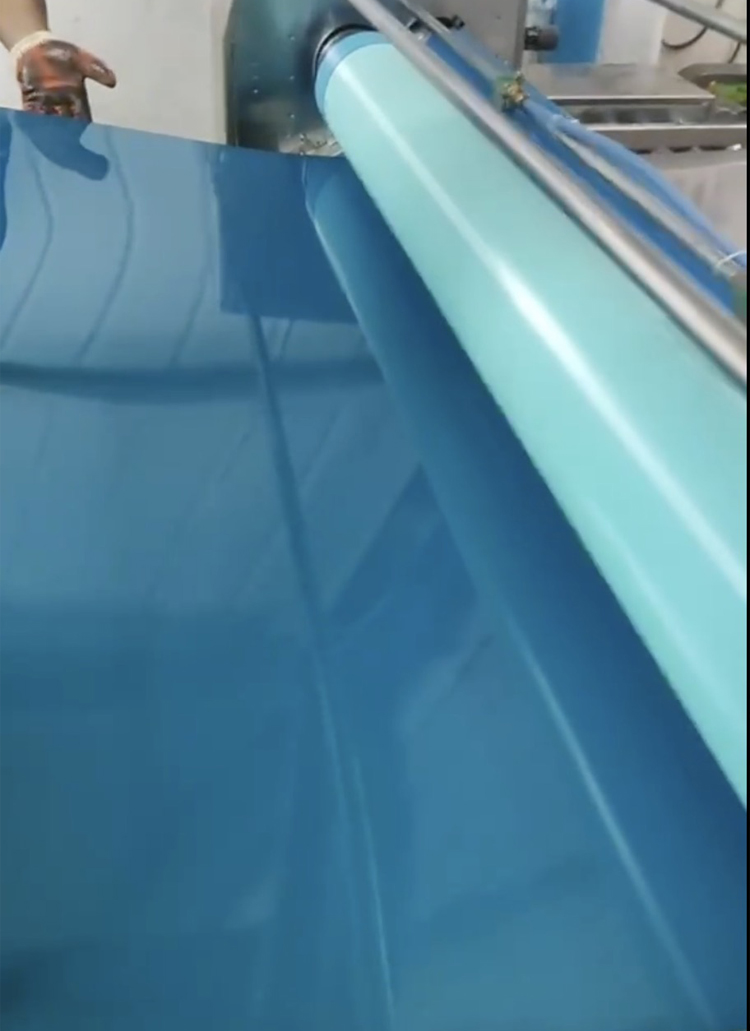
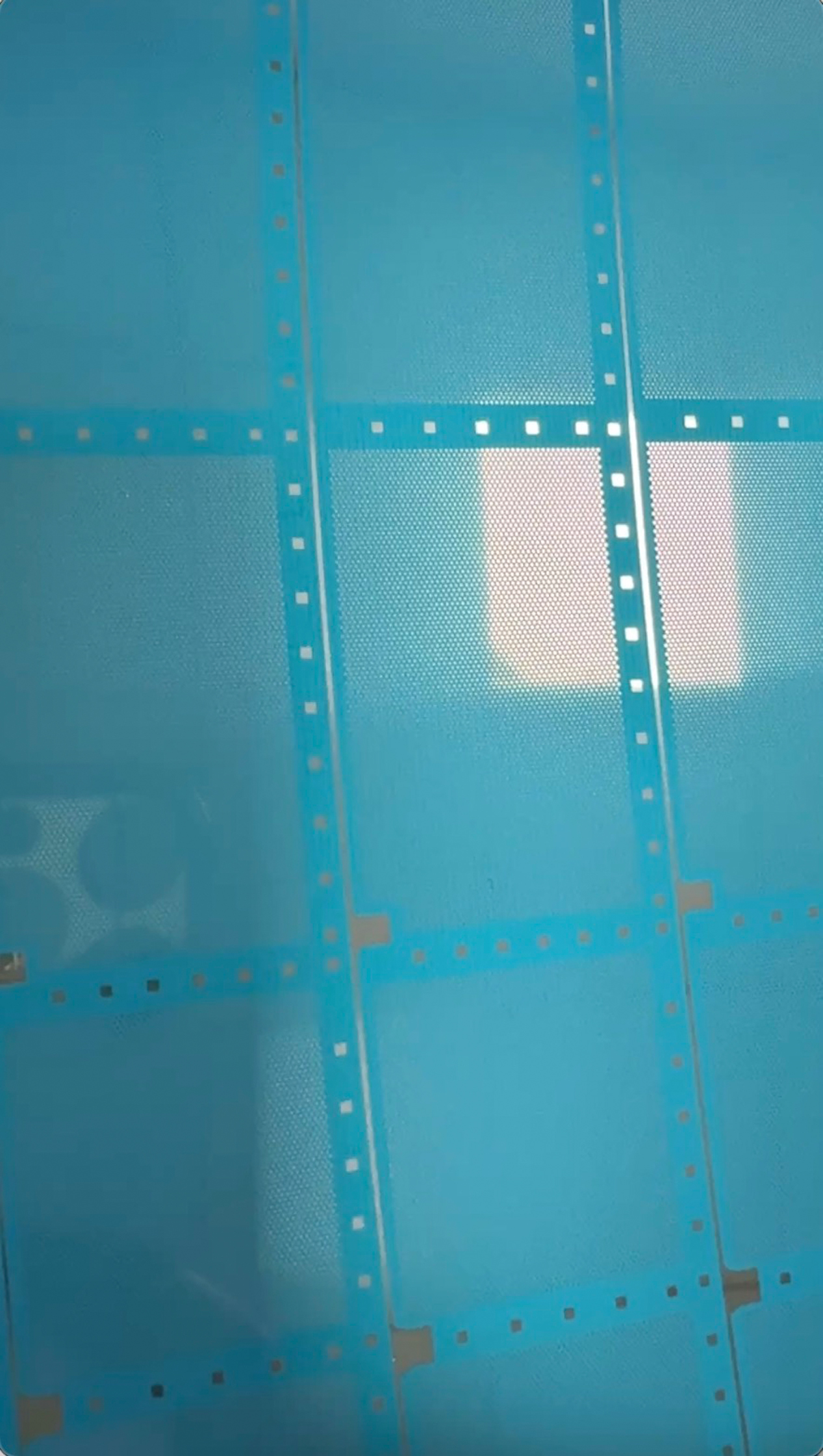
Each batch is checked on a production test panel before it ships. Below: typical adhesion, exposure and development results on PCB and metal substrates.
Need a Sample or a Quote?

Send us your substrate, panel size and process. We will send a small sample for trial and a quotation for production volumes.

Request a Sample

Frequently Asked Questions

What is the difference between YB-1300 and GE-1300?

YB-1300 and GE-1300 are the same Golden Eagle product line. YB-1300 is sold under the original YB label; GE-1300 is the standard Golden Eagle brand. Both have the same formulation and specifications, and both ship from Golden Eagle with direct technical support.

What substrates can YB-1300 be used on?

Copper, aluminium, iron, stainless steel, mirror stainless steel, mirror titanium, glass, anodized porous aluminium, galvanised iron, nickel or chrome plated metal, and metal sheets that have been spray-painted or powder-coated.

What is the minimum film thickness?

12–16 µm. The lower end (12 µm) is fine for fine detail; the upper end (16 µm) gives higher reflectivity and better coverage of the substrate.

Is YB-1300 RoHS compliant?

Yes. The standard YB-1300 is formulated to meet EU RoHS requirements. For halogen-free requirements, contact us with your specification.

What colours are available?

White is the standard colour. Yellow, red, blue, black and green are available on request for non-white solder-mask or decorative applications.