
GE-800 two-component liquid photosensitive solder-resist ink by Golden Eagle. 3 mil green-oil bridge, BGA via plugging, lead-free HASL, ENIG, immersion tin compatible. RoHS standard, halogen-free v...
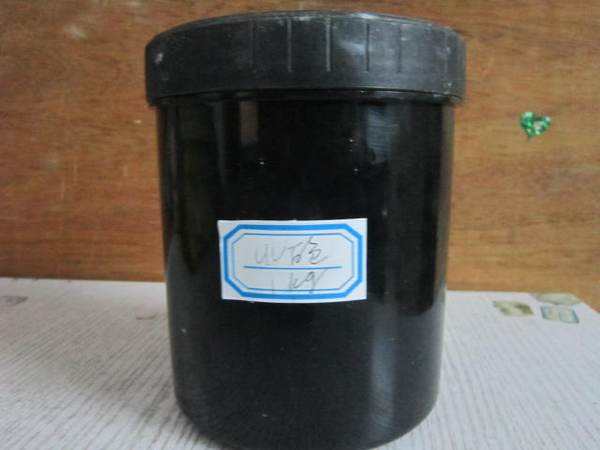
Golden Eagle's two-component liquid photosensitive solder mask. 3 mil green-oil bridge and BGA via plugging performance, with the supply, technical support and pricing that only the equipment manufacturer can provide.
GE-800 is Golden Eagle's two-component liquid photosensitive solder-resist ink, formulated for 3 mil green-oil bridge, BGA via plugging and lead-free HASL / ENIG / immersion tin compatibility. It is supplied directly by Golden Eagle — the same company that builds the etching line, exposure unit, develop rack and post-cure oven that the solder mask is processed on.
The advantage of buying GE-800 from Golden Eagle is the full technical support: process parameters that are validated on Golden Eagle's own pilot line, batch-to-batch consistency from a manufacturer who runs the equipment this ink is designed for, and the ability to ship from the same warehouse as the etching machine. GE-800 is available in the standard grade (EU RoHS compliant) and a halogen-free variant for medical, automotive and other high-reliability applications.
The full sequence from substrate to finished part. Exact temperatures and times depend on the application; full details are in the operating parameters table below.
| Item | Specification |
|---|---|
| Type | Two-component liquid photosensitive solder mask |
| Brand | Golden Eagle GE-800 |
| Color | Green (standard) |
| Mixing ratio | 3 : 1 base : hardener (by weight) |
| Mesh (standard PCB) | 43T polyester |
| Mesh (lead-free / ENIG / immersion tin) | 36T polyester |
| Pre-bake (first side) | 75 °C × 15–20 min (hot-air) |
| Pre-bake (second side) | 75 °C × 25–30 min (hot-air) |
| Exposure | 21-step scale, 9–13 grid sensitivity |
| Developer | 1 wt% Na2CO3 aqueous |
| Develop pressure | 2.0–2.5 kg/cm² |
| Develop temperature | 30 ± 2 °C |
| Develop time | 40–90 seconds |
| Post-cure (HASL) | 150 °C × 60 min |
| Post-cure (ENIG / immersion tin) | 150 °C × 50 min |
| Post-cure (via plug, two-stage) | 75 °C × 120 min, then 150 °C × 60 min |
| Green-oil bridge | 3 mil (75 µm) |
| Compatibility | Lead-free HASL, ENIG, immersion tin, BGA via plug |
| Compliance | EU RoHS standard; halogen-free variant available |
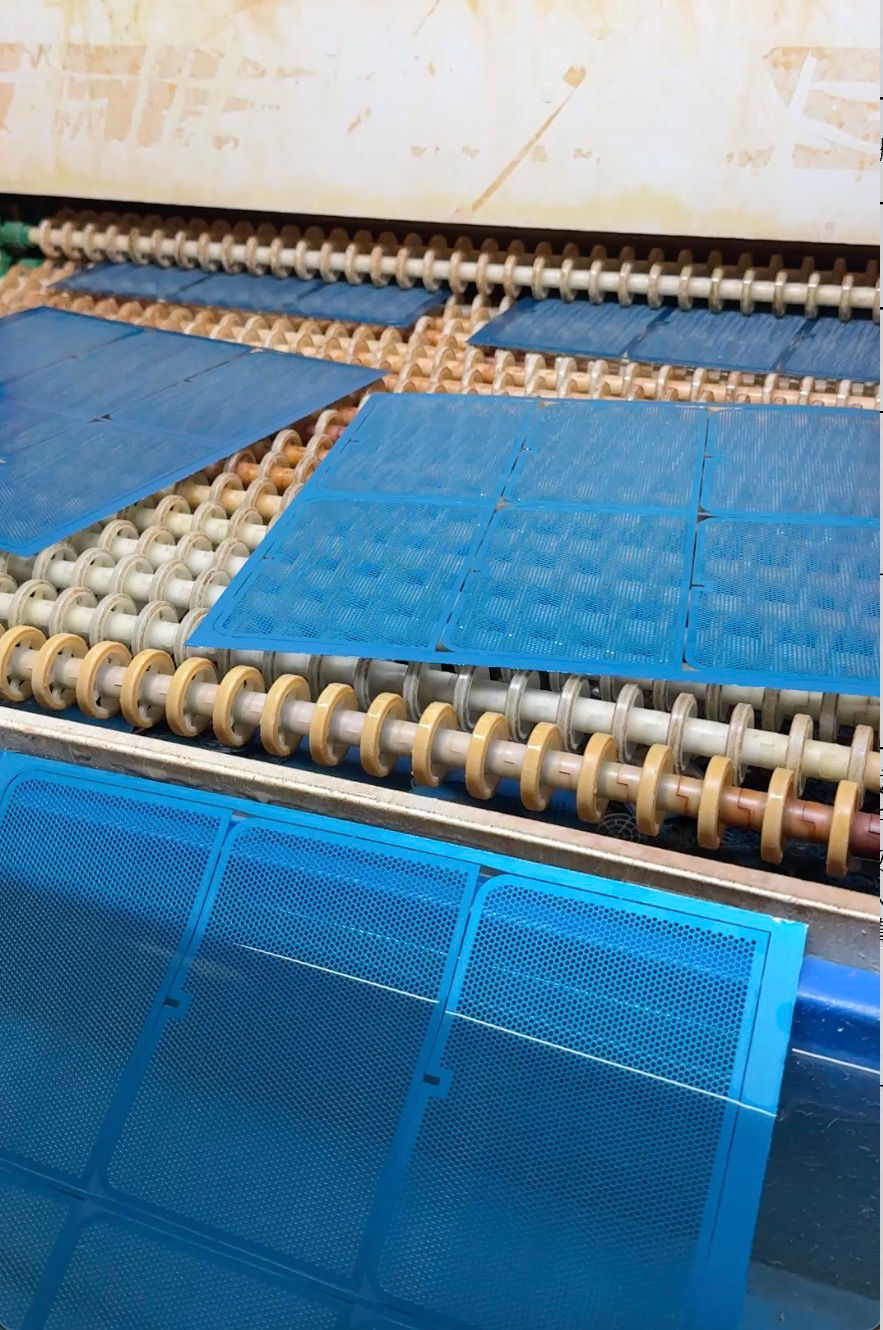
Each batch is checked on a production test panel before it ships. Below: typical adhesion, exposure and development results on PCB and metal substrates.


Send us your substrate, panel size and process. We will send a small sample for trial and a quotation for production volumes.
GE-800 is Golden Eagle's own brand. YB-800 is the same chemistry as the Golden Eagle YB-800, sold under the GE-800 label so it ships from Golden Eagle directly with full technical support.
Yes. GE-800 is formulated for BGA via plugging. Use the two-stage post-cure (75 °C × 120 min, then 150 °C × 60 min) for plugged-via boards to make sure the ink in the via fully cures without voids.
3 mil (75 µm) on a properly tuned line. Use the 43T mesh for standard PCB, the 36T mesh for lead-free / ENIG / immersion tin boards (the thicker deposit helps the mask survive the plating bath).
Yes. Specify "halogen-free" when ordering, and we will quote and supply the matching grade.
Yes, but use the supplier-recommended thinner only. YB thinner or PGMEA at the recommended addition rate. Off-the-shelf generic thinners can leave a film that interferes with the photo reaction, causes scumming, or reduces the cured film properties.
Buying from Golden Eagle means the ink is validated on the same equipment you are using, batch-to-batch consistency is checked on a Golden Eagle pilot line, and the technical support comes from the same company that built your line. It is the lowest-risk supply option.