Aluminium Etching: Process, Etchants & Applications
Aluminium is one of the easier metals to dissolve but one of the trickier ones to etch well. It is light, conducts heat and electricity, and costs a fraction of copper, so it shows up everywhere from heat sinks to shielding to nameplates. The catch is that aluminium reacts fast and grows a stubborn oxide skin, so getting clean edges and a repeatable depth comes down to how the etching line is set up rather than the chemistry alone.
Quick Answer
- Aluminium is usually etched with ferric chloride or an alkaline (sodium hydroxide) solution. Ferric chloride suits general photo-etched parts; alkaline chemistry is used for depth etching and matte finishes.
- The hard oxide layer and the fast, heat-generating reaction make temperature control and even spray more important for aluminium than for steel or copper.
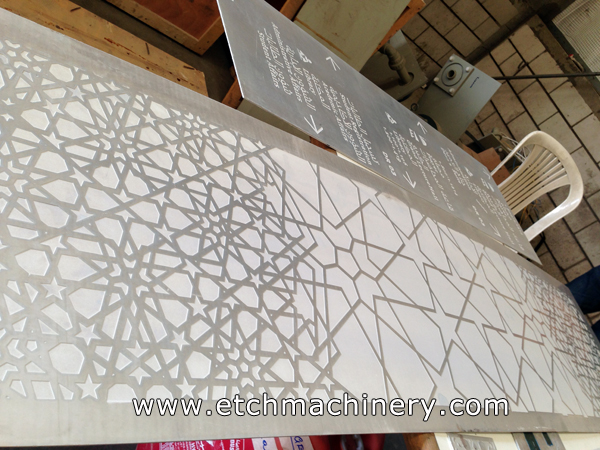
- Photochemical etching turns thin aluminium sheet into flat, burr-free parts — heat-sink fins, EMI shields, LED substrates, nameplates and light brackets — with no hard tooling.
Table of Contents
- What Is Aluminium Etching?
- Why Aluminium Is Harder to Etch Than It Looks
- What Etchants Are Used for Aluminium?
- The Aluminium Etching Process, Step by Step
- How Aluminium Compares With Other Etched Metals
- Where Etched Aluminium Is Used
- Design and Tolerance Notes
- Equipment Matters as Much as Chemistry
- Etching Aluminium Parts in Volume?
- Conclusion
- Frequently Asked Questions
What Is Aluminium Etching?
Aluminium etching is the controlled removal of metal from an aluminium sheet using a chemical etchant. In photochemical etching, a photoresist, then developed in a sodium-carbonate PCB developing machine such as the GE-D650W (650 mm width, USD 8,500 EXW Beijing) mask protects the areas you want to keep and the etchant dissolves the exposed aluminium to form the part or pattern. Nothing touches the metal mechanically, so parts come out flat, free of burrs, and without the internal stress that stamping or machining leaves behind.
The route is the same one used for stainless steel and copper. Aluminium just has a couple of habits that change how the line is run.
Why Aluminium Is Harder to Etch Than It Looks
Two things set aluminium apart from stainless steel and copper.
The oxide skin. Aluminium grows a thin, hard layer of aluminium oxide the moment it meets air. That oxide shrugs off most etchants, so the etch can start unevenly — some spots open up before others — and you see it later as rough edges or pitting. A short pre-etch, or an etchant chemistry that breaks the oxide evenly, fixes this before the main etch begins.
A fast, hot reaction. Aluminium dissolves quickly, and the reaction gives off heat. Let the etchant temperature drift and the etch rate drifts with it, which costs you control of line width and depth. That is why aluminium work leans so heavily on temperature control and steady spray pressure, more so than the choice of etchant.
What Etchants Are Used for Aluminium?
There is no single "aluminium etchant." What you reach for depends on the finish you want, the smallest feature on the part, and whether you are cutting through the sheet or only part way into it.
| Etchant | How it behaves | Best for |
|---|---|---|
| Ferric chloride (FeCl3) | General-purpose, easy to run on a standard spray line; can leave a slightly rougher face on aluminium than on steel | Most through-etched parts, shields, brackets |
| Alkaline (NaOH) | Fast, strong attack; needs tight heat and concentration control | Depth etching, frosted / matte finishes |
| Acid blends (phosphoric / nitric) | Slower and more specialised; gives a brighter, smoother surface | Fine detail and bright finishes |
For most production photo-etched aluminium, ferric chloride on a temperature-controlled spray etcher is the practical workhorse. Alkaline chemistry comes in when you want deeper relief or a particular surface texture. One thing to note: cupric chloride, the go-to etchant for copper and PCBs, is not used for aluminium.
The Aluminium Etching Process, Step by Step
- Clean the sheet. Degrease and knock back the loose surface oxide so the resist sticks and the etch starts evenly.
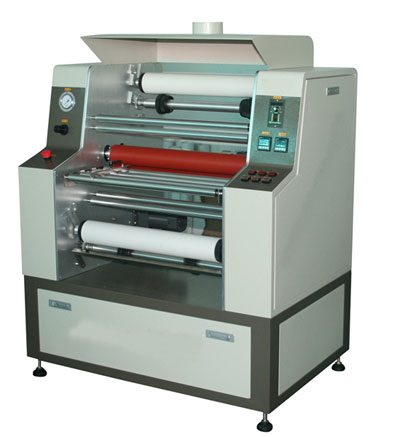
- Apply photoresist. Laminate dry-film resist (or coat liquid resist) over both faces of the sheet.
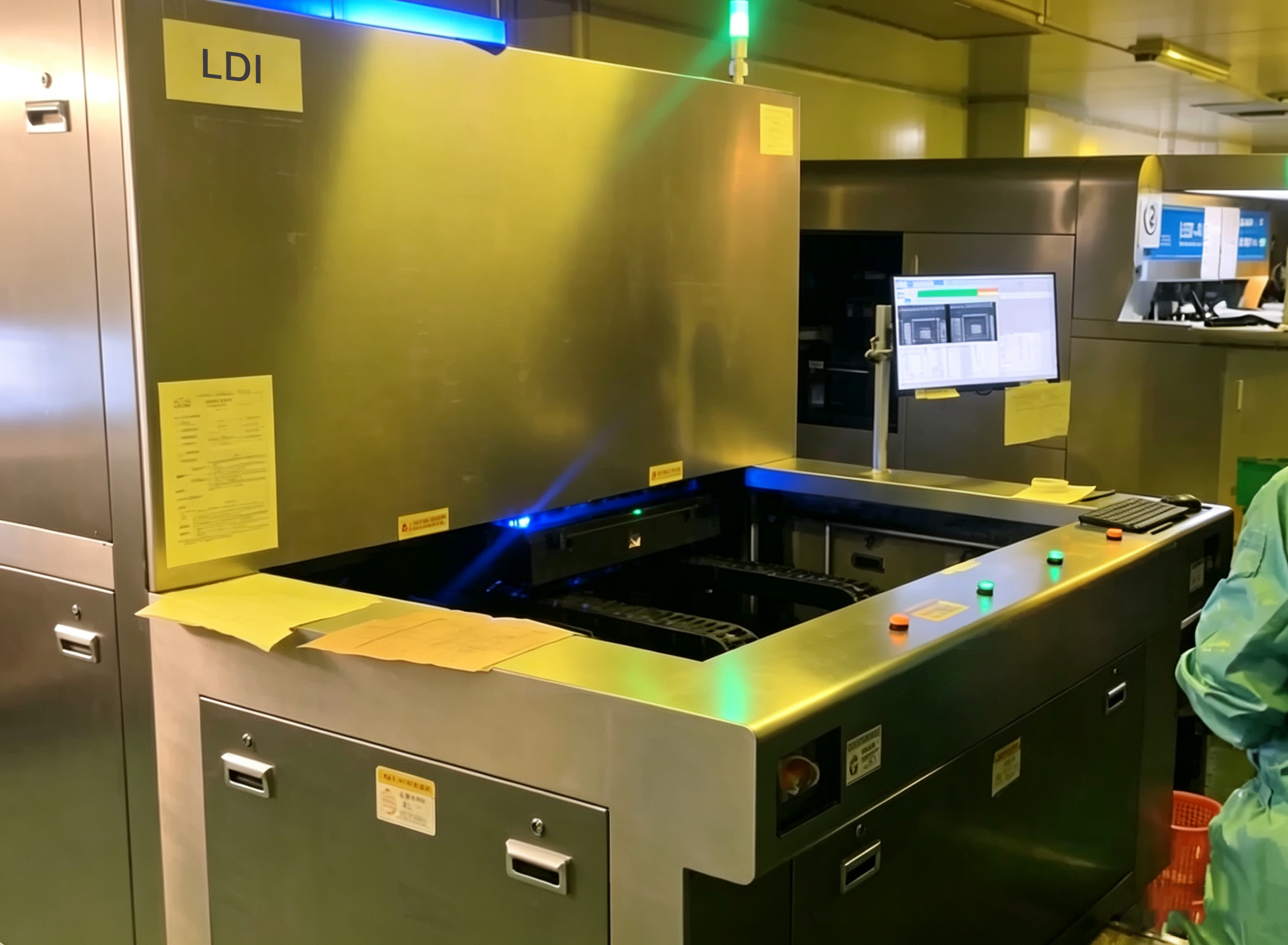
- Expose. Print the artwork onto the resist with UV through a phototool, or by direct laser imaging.
- Develop. Wash away the unexposed resist, leaving a mask exactly where metal should stay.
- Etch. Spray etchant onto the sheet in the etch chamber; the open areas dissolve down, or all the way through.
- Strip and rinse. Remove the remaining resist, neutralise, rinse and dry. The finished aluminium parts drop out of the sheet.
Step five is where aluminium asks for the most attention. Hold the etchant temperature and spray steady and the depth stays even across the whole panel.
How Aluminium Compares With Other Etched Metals
| Factor | Aluminium | Stainless steel | Copper |
|---|---|---|---|
| Etch speed | Fast | Moderate | Fast |
| Common etchant | Ferric chloride / alkaline | Ferric chloride | Cupric or ferric chloride |
| Surface oxide | Heavy — must be managed | Light | Minimal |
| Edge finish | Good with tight temperature control | Excellent | Excellent |
| Typical parts | Heat sinks, shields, LED, signage | Filters, springs, signage | PCBs, lead frames |
Where Etched Aluminium Is Used
Because etching adds no cost for complex shapes, a fine slot or a line of lettering costs the same as a plain hole. That, plus aluminium's light weight and heat handling, puts etched aluminium into a lot of products:
- Heat-sink fins and cooling plates for electronics and LED lighting
- RF and EMI shielding cans, frames and gaskets
- LED and lighting substrates and reflectors
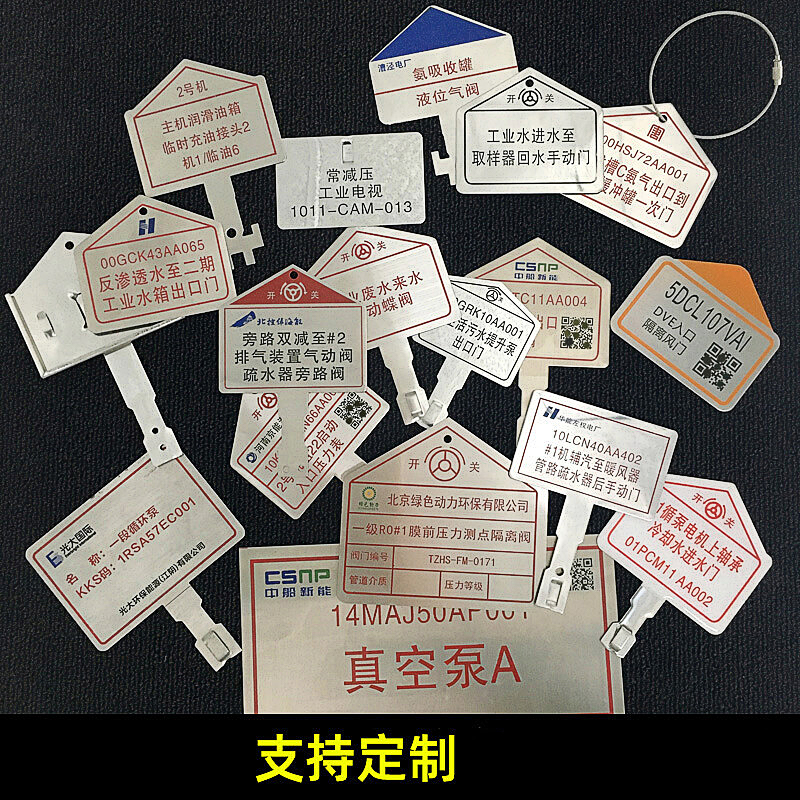
- Nameplates, labels and decorative panels, often anodised after etching
- Lightweight brackets, spacers and encoder discs
- Antenna elements and contact parts
Etched Aluminium Parts by Industry
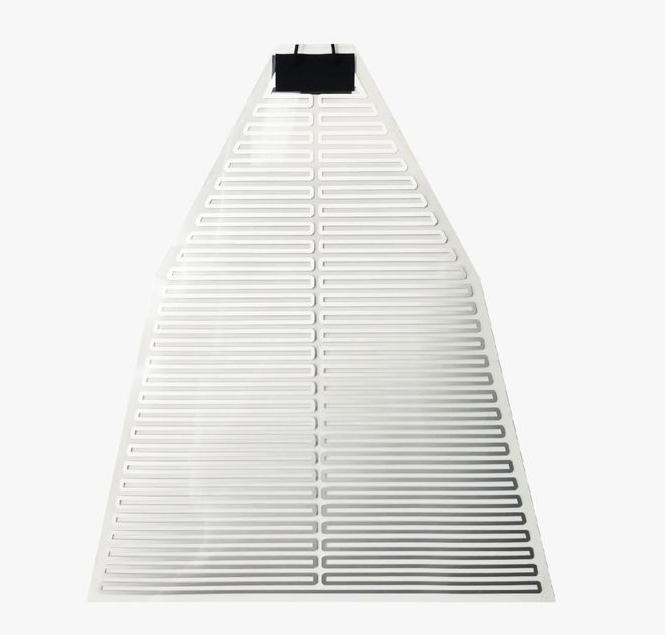
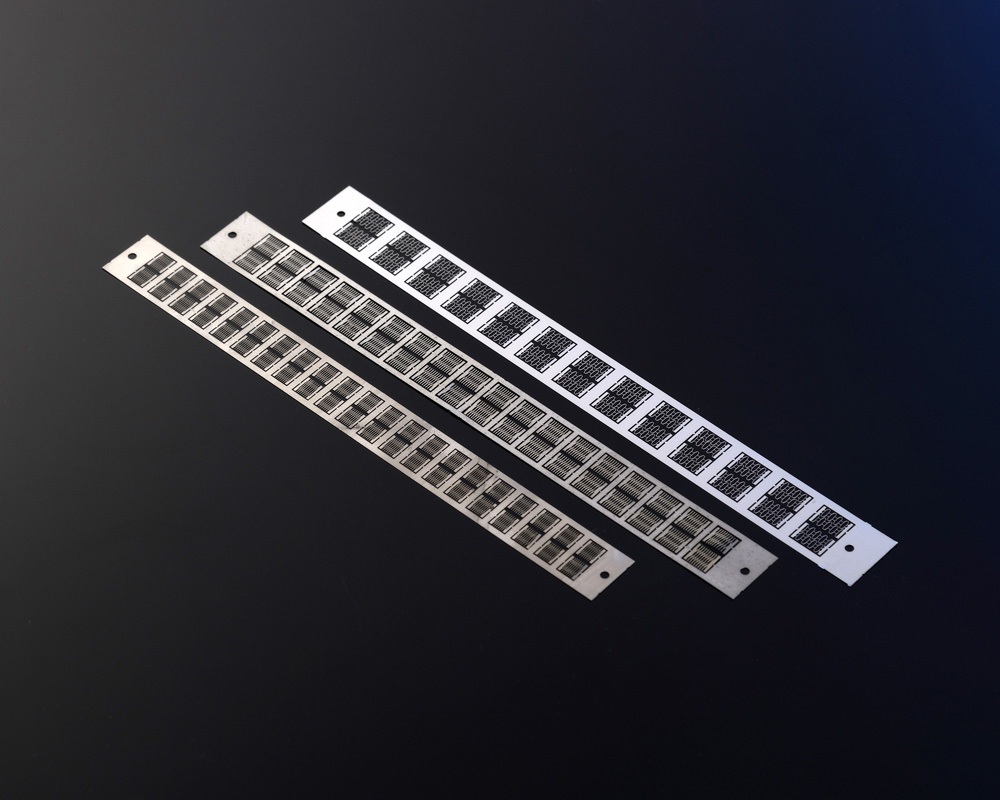
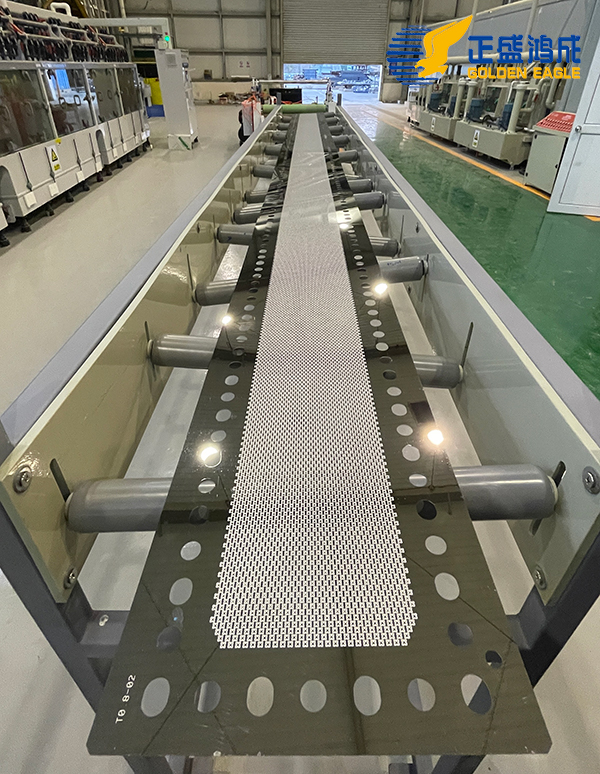
Sample parts produced by photochemical aluminium etching across the major application sectors:

Design and Tolerance Notes
As a rule of thumb, the smallest feature and the edge tolerance both scale with sheet thickness. On thin aluminium of roughly 0.1–0.5 mm you can hold features down to about the thickness of the sheet, with tolerances near ±10% of that thickness. Etching also undercuts slightly beneath the resist, so the etched wall has a gentle radius rather than a square edge. That is normal for the process and is usually allowed for in the artwork.
Equipment Matters as Much as Chemistry
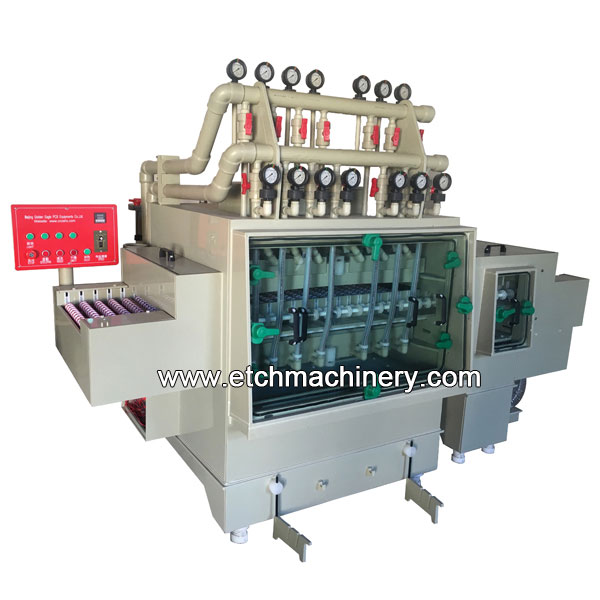
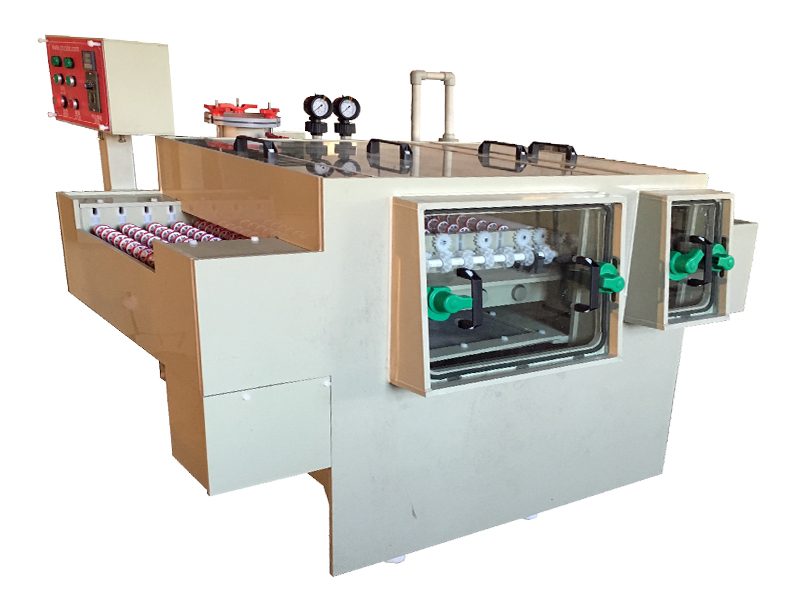
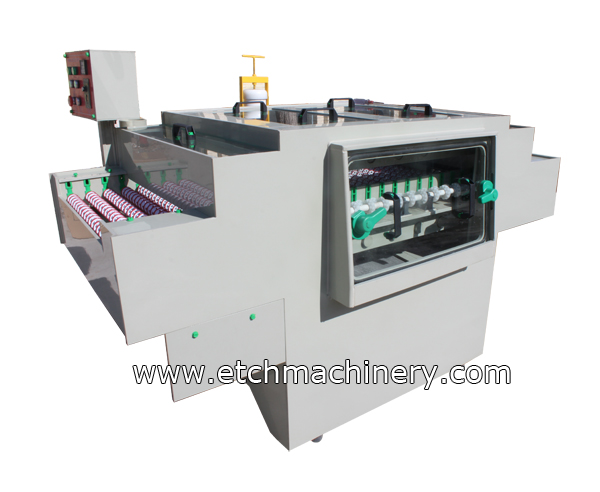
With aluminium, the machine does as much work as the etchant. A spray metal etching machine with even nozzle coverage, tight temperature control and a steady conveyor keeps that fast aluminium reaction in check, so depth and line width stay consistent from the first sheet to the last. Pair it with the right etchant and a regeneration or recovery stage, and the process stays stable and economical in production.
Etching Aluminium Parts in Volume?
Tell us your part, thickness and finish — Golden Eagle will spec the etchant and the etching line to match.
Talk to an EngineerConclusion
Aluminium etches quickly and cleanly once you account for its oxide layer and its habit of giving off heat. Choose the etchant for the finish you need — ferric chloride for general work, alkaline for depth and texture — run it on a temperature-controlled spray line, and you get flat, burr-free aluminium parts that would be slow or costly to make any other way.