

Is Chemical Etching Safe?
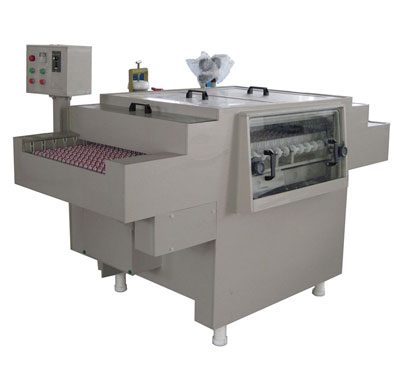
Chemical etching uses acidic or alkaline etchants that are corrosive and can cause chemical burns, respiratory irritation, and environmental harm if mishandled. However, with proper engineering controls, PPE, and wastewater treatment, chemical etching is operated safely in thousands of factories worldwide — including in consumer electronics, medical device, and food-contact applications. The risk profile is comparable to operating a swimming pool chemical system or a car battery factory.
The Four Main Hazards
- Chemical burns from etchant splash — Ferric chloride (FeCl3) and cupric chloride (CuCl2) are acidic and corrosive to skin and eyes. Alkaline ammonia is corrosive to eyes and respiratory tract.
- Inhalation of etchant mist or vapor — HCl vapor from FeCl3, NH3 vapor from alkaline etching. Both require fume extraction.
- Slip hazards from etchant spills — Etchant is slippery on concrete floors. Spill containment is essential.
- Environmental contamination from wastewater — Etchant-laden wastewater contains dissolved heavy metals (Cu, Fe, Ni) that must be treated before discharge.
PPE Required for Chemical Etching Operators
- Chemical splash goggles (ANSI Z87.1 or EN 166 rated) — mandatory in the etchant handling zone
- Face shield for etchant transfer and tank opening
- PVC or neoprene gloves (not latex — degrades rapidly with etchant contact)
- Chemical-resistant apron (PVC or rubber)
- Safety boots with chemical-resistant soles
- Respirator with acid-gas cartridge (for alkaline etching or poorly ventilated areas)
- Emergency shower and eyewash station within 10 seconds of any etchant handling point (ANSI Z358.1 / EN 15154)
Engineering Controls Built Into Modern Etching Equipment
Golden Eagle etching machines (and all CE-marked equipment) include these safety systems as standard:
- Closed-loop etchant circulation — etchant is contained in sealed tanks and pumped through spray nozzles; no open bath in normal operation.
- Fume extraction hood with acid-gas scrubber (for FeCl3) or water scrubber (for NH3).
- Emergency stop buttons at each operator station and at the machine perimeter.
- Safety interlocks on all access doors — machine cannot run with door open.
- Over-temperature and low-level etchant alarms with automatic shutdown.
- Spill containment bund — integrated 110% capacity sump under each etchant tank.
- Leak detection sensors for the etchant circulation loop.
Regulatory Compliance for Chemical Etching
Depending on your country, the following regulations apply:
- United States: OSHA 29 CFR 1910 (general industry), EPA 40 CFR 433 (metal finishing effluent), RCRA (hazardous waste handling)
- European Union: REACH (chemical registration), CLP Regulation (chemical classification), EU Machinery Directive 2006/42/EC, Industrial Emissions Directive 2010/75/EU
- China: GB 21900-2008 (electroplating effluent), GBZ 2.1 (workplace exposure limits), Work Safety Law
- Globally: ISO 14001 (environmental management), ISO 45001 (occupational health & safety)
Wastewater Treatment: The Environmental Half of "Safe"
An etching line is only as safe as its wastewater treatment. The minimum treatment train for a CuCl2 etching line is:
- pH adjustment to 8.5-9.5 with NaOH — converts dissolved Cu²⁺ to Cu(OH)₂ precipitate
- Coagulation and flocculation with polyaluminum chloride (PAC) and anionic polyacrylamide
- Lamella clarifier or settling tank — separates Cu sludge from clarified water
- Sludge dewatering via filter press (Cu sludge is sent to a copper refinery for metal recovery)
- Ion-exchange polishing for residual heavy metals (target <0.5 ppm Cu, <1 ppm total heavy metals)
For more details, see our etching wastewater treatment guide.
Bottom Line: Chemical Etching Is Safe — With the Right Equipment
If you're evaluating a quotation, look for: (1) CE marking with EU Machinery Directive Declaration of Conformity, (2) integrated fume hood and scrubber, (3) emergency shower/eyewash, (4) spill containment bund, and (5) a credible wastewater treatment plan from the same supplier. Golden Eagle etching machines include all five as standard.
Get Expert Help Choosing the Right Etching Equipment
Tell us your material, throughput, and feature size requirement. Our engineering team responds with a tailored recommendation and price within 24 hours — no obligation.
Request Quotation